


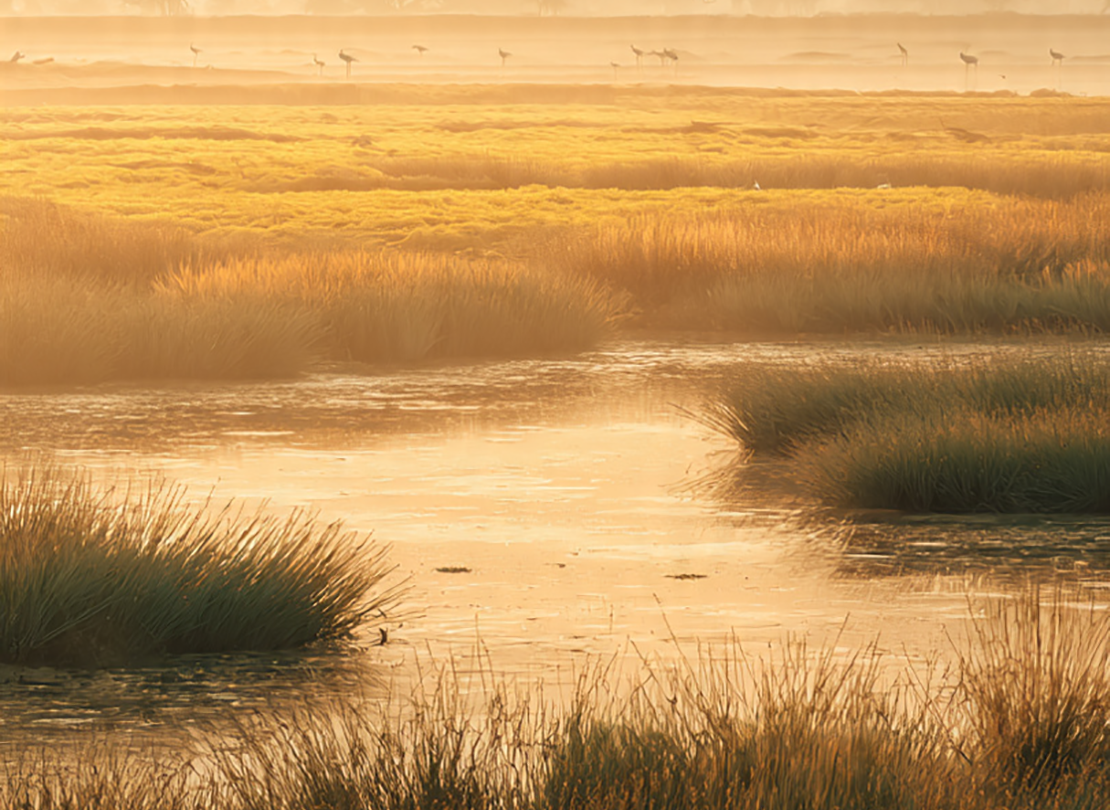
Wildlife sanctuaries reveal a quieter, more intimate side of India’s natural world. Often less crowded and richly diverse, they protect wetlands, forests, grasslands, river islands, and mountain ecosystems that are home to migratory birds, elusive mammals, reptiles, and endemic species. Ideal for birdwatchers, photographers, and slow travelers, sanctuaries offer immersive journeys into landscapes where nature unfolds gently and beautifully.
Location: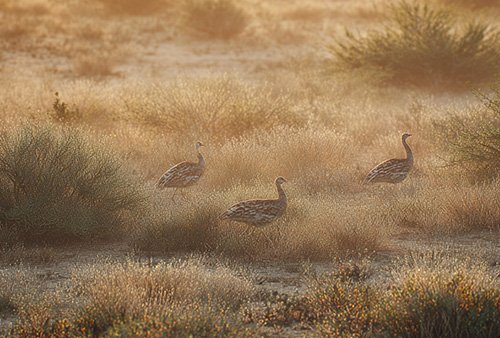
Kutch Bustard (Gujarat)
One-Line Narrative:
A rare desert grassland sanctuary where India’s most endangered birds still survive in open wilderness.
Flora:
Arid Grasslands, Scrub forest, Capparis, Zizyphus
Fauna:
Great Indian Bustard, Lesser Florican, Chinkara, Nilgai
Elevation (msl):
~2m – 15m
Water Bodies:
Gulf of Kutch vicinity, seasonal rainwater depressions
Bodies:
Gulf of Kutch vicinity, seasonal rainwater depressions
Best Time to Visit:
October – March
 Location:
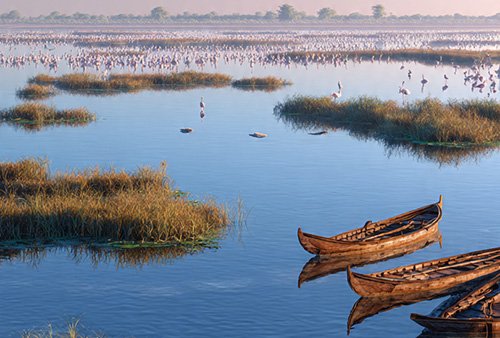
Nal Sarovar (Gujarat)
One-Line Narrative:
Gujarat’s great wetland spectacle where migratory birds gather across shimmering seasonal waters.
Flora:
Reed beds (Phragmites), Algae, Aquatic plants
Fauna:
Flamingos, Pelicans, Rosy Pastors, White Storks, Herons
Elevation (msl):
~9m
Water Bodies:
Nal Sarovar Lake
Best Time to Visit:
November – February
 Location:
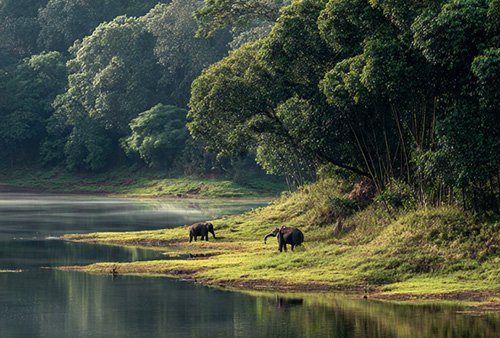
Periyar (Kerala)
One-Line Narrative:
A serene rainforest sanctuary of lake safaris, spice-scented hills, and elephant country.
Flora:
Tropical Evergreen, Semi-evergreen, Teak, Rosewood
Fauna:
Asian Elephant, Tiger, Nilgiri Tahr, Lion-tailed Macaque
Elevation (msl):
~100m – 2,000m
Water Bodies:
Periyar Lake, Periyar and Pamba Rivers
Best Time to Visit:
October – April
 Location:
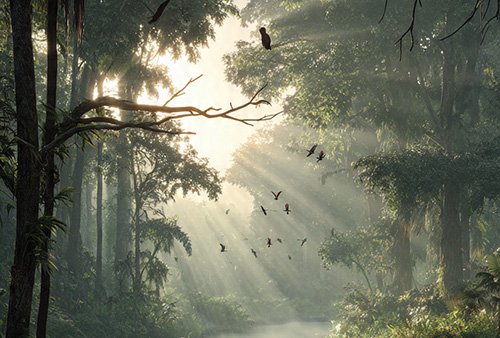
Thattekad (Kerala)
One-Line Narrative:
South India’s birding paradise where dense forests echo with rare and colourful avian life.
Flora:
Tropical Evergreen & Deciduous, Mahogany, Rosewood
Fauna:
Malabar Trogon, Ceylon Frogmouth, Indian Pitta, Hornbills
Elevation (msl):
~35m – 520m
Water Bodies:
Periyar River tributaries
Best Time to Visit:
November – March
 Location:
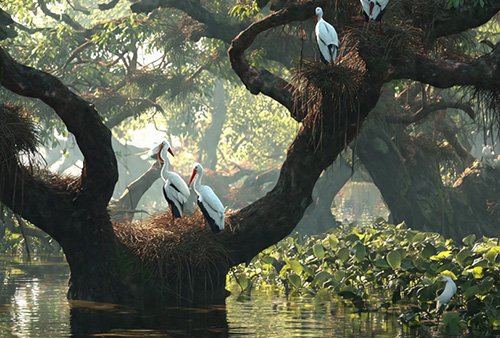
Vedanthangal (Tamil Nadu)
One-Line Narrative:
One of India’s oldest bird sanctuaries, famed for nesting colonies over tranquil waters.
Flora:
Barringtonia, Acacia, Dry evergreen scrub
Fauna:
Painted Stork, Grey Heron, Spoonbill, White Ibis
Elevation (msl):
~30m
Water Bodies:
Vedanthangal Lake
Best Time to Visit:
November – February
 Location:
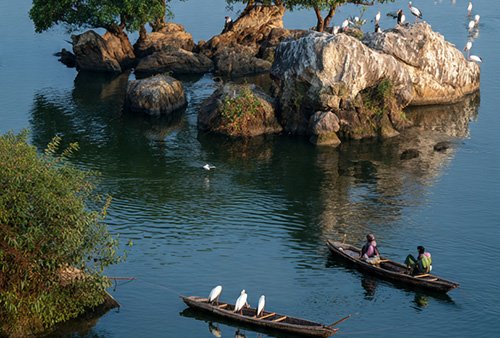
Ranganathittu (Karnataka)
One-Line Narrative:
A river island sanctuary where birds nest in abundance along the calm Kaveri waters.
Flora:
Broad-leafed trees, Bamboo, Pandanus
Fauna:
Painted Stork, Open-billed Stork, Marsh Crocodile, Smooth-coated Otter
Elevation (msl):
~650m – 700m
Water Bodies:
Kaveri River
Best Time to Visit:
November – May
 Location:
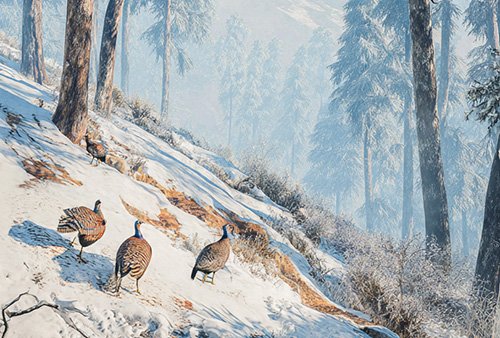
Chail (Himachal Pradesh)
One-Line Narrative:
A peaceful Himalayan forest retreat of cedar woods, mountain air, and shy wildlife.
Flora:
Oak, Pine, Deodar, Rhododendron
Fauna:
Goral, Cheer Pheasant, Himalayan Black Bear, Leopard
Elevation (msl):
~2,100m – 2,200m
Water Bodies
Gaura and Jhajjar rivulets
Best Time to Visit:
March – June, September – November
 Location:
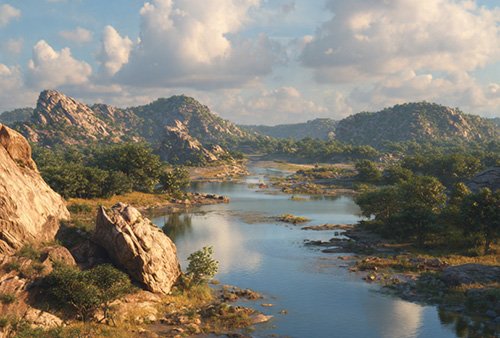
Manjira (Telangana)
One-Line Narrative:
A calm inland wetland sanctuary where birds and crocodiles thrive amid reservoir waters.
Flora:
Marshy vegetation, Typha, Babool, Prosopis
Fauna:
Marsh Crocodile (Mugger), Cranes, Teals, Pochards
Elevation (msl):
~420m – 450m
Water Bodies:
Manjira River and reservoir
Best Time to Visit:
November – February
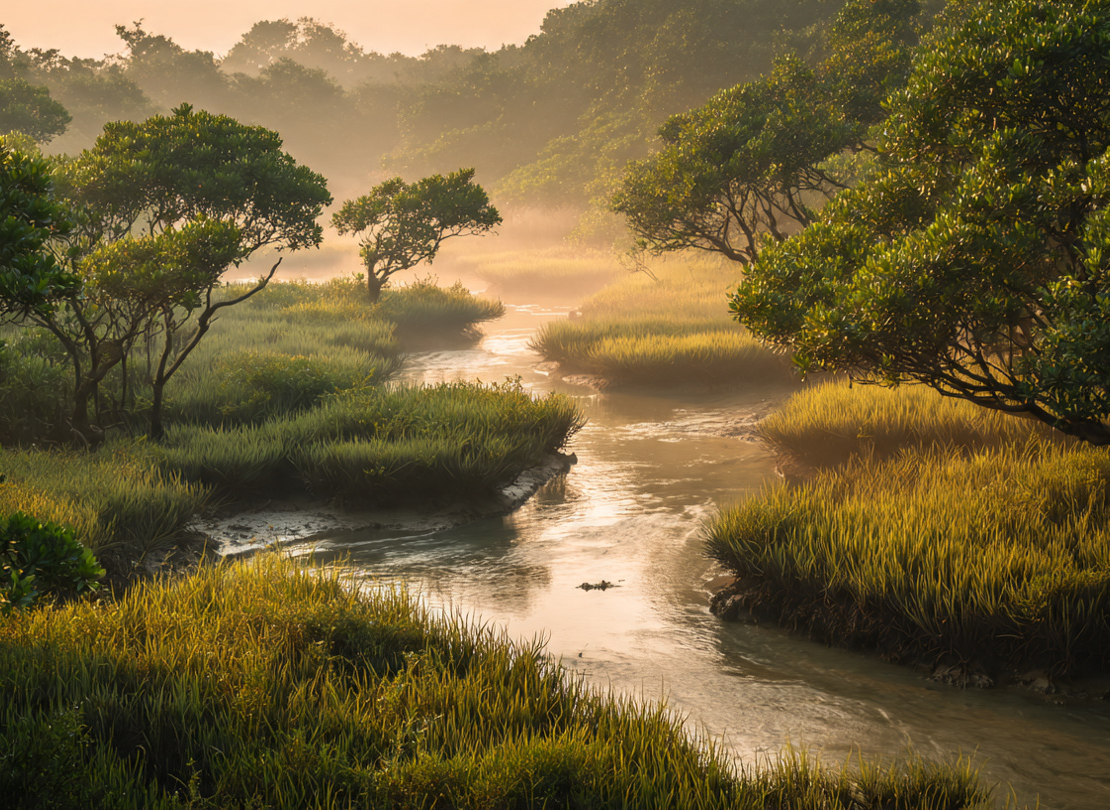
India’s national parks protect the country’s most iconic wilderness landscapes — from tiger forests and rhino grasslands to mangrove deltas and lion territories. These are the crown jewels of Indian conservation, where rare wildlife thrives in vast protected habitats. For travelers, national parks offer some of Asia’s most rewarding safari experiences, combining dramatic scenery, biodiversity, and expertly guided encounters with nature at its wildest.
 Location:
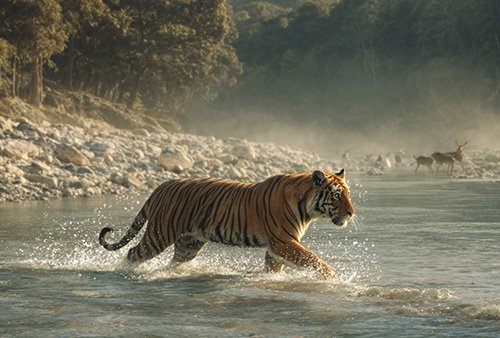
Jim Corbett (Uttarakhand)
One-Line Narrative:
India’s oldest national park where tiger trails wind through river valleys and Himalayan forests.
Flora:
Sal, Khair, Sissoo, Chir Pine, Haldu, Pipal, Rohini
Fauna:
Bengal Tiger, Asian Elephant, Leopard, Sambar, Gharial, King Cobra
Elevation (msl):
~360m – 1,220m
Water Bodies:
Ramganga River, Kosi River, Sonanadi River
Best Time to Visit:
November – June
 Location:
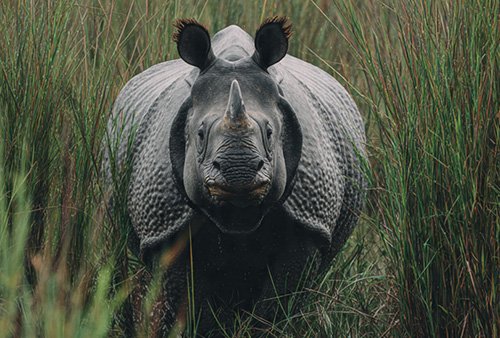
Kaziranga (Assam)
One-Line Narrative:
A dramatic floodplain wilderness famed for the world’s largest population of one-horned rhinos.
Flora:
Tall Elephant Grass, Alluvial Savanna, Semi-evergreen forest
Fauna:
One-horned Rhino, Wild Water Buffalo, Swamp Deer, Tiger, Elephant
Elevation (msl):
~40m – 80m
Water Bodies:
Brahmaputra River, Diphlu, Mora Dhansiri, Beels (lakes)
Best Time to Visit:
November – April
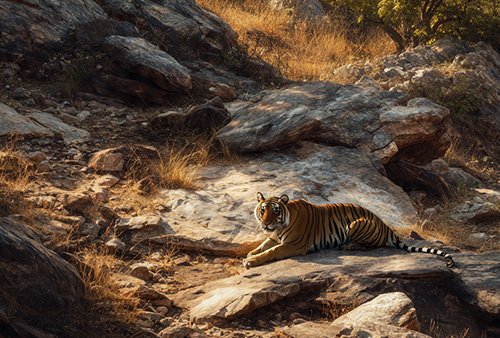 Location:
Ranthambore (Rajasthan)
One-Line Narrative:
India’s most cinematic tiger reserve where predators roam beside lakes and ancient ruins.
Flora:
Dhok, Banyan, Pipal, Neem, Mango, Babul
Fauna:
Bengal Tiger, Leopard, Caracal, Sloth Bear, Nilgai, Chital
Elevation (msl):
~215m – 505m
Water Bodies:
Padam Talao, Malik Talao, Rajbagh Talao, Chambal River
Best Time to Visit:
October – June
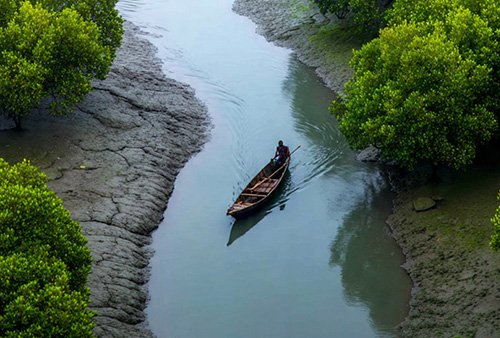 Location:
Sundarbans (West Bengal)
One-Line Narrative:
A mysterious mangrove delta where tides shift daily and tigers swim between islands.
Flora:
Sundari (Mangrove), Hental, Geva, Goran, Keora
Fauna:
Royal Bengal Tiger, Estuarine Crocodile, Fishing Cat, Irrawaddy Dolphin
Elevation (msl):
~7.5m (Deltaic)
Water Bodies:
Bay of Bengal, Ganges, Brahmaputra & Meghna distributaries
Best Time to Visit:
November – February
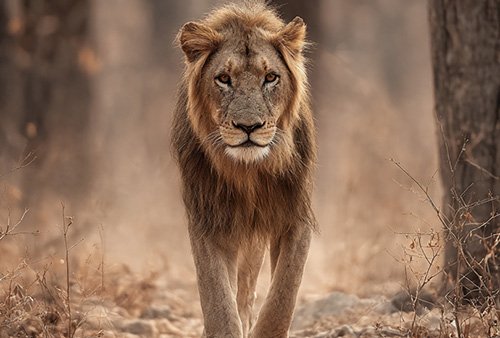 Location:
Gir (Gujarat)
One-Line Narrative:
The last wild kingdom of the Asiatic lion set amid dry forests and rugged scrublands.
Flora:
Teak, Khair, Dhak, Ber, Acacia, Banyan
Fauna:
Asiatic Lion, Leopard, Chousingha, Hyena
Elevation (msl):
~150m – 530m
Water Bodies:
Kamleshwar Dam, Hiran River, Shingoda River, Datardi River
Best Time to Visit:
December – March
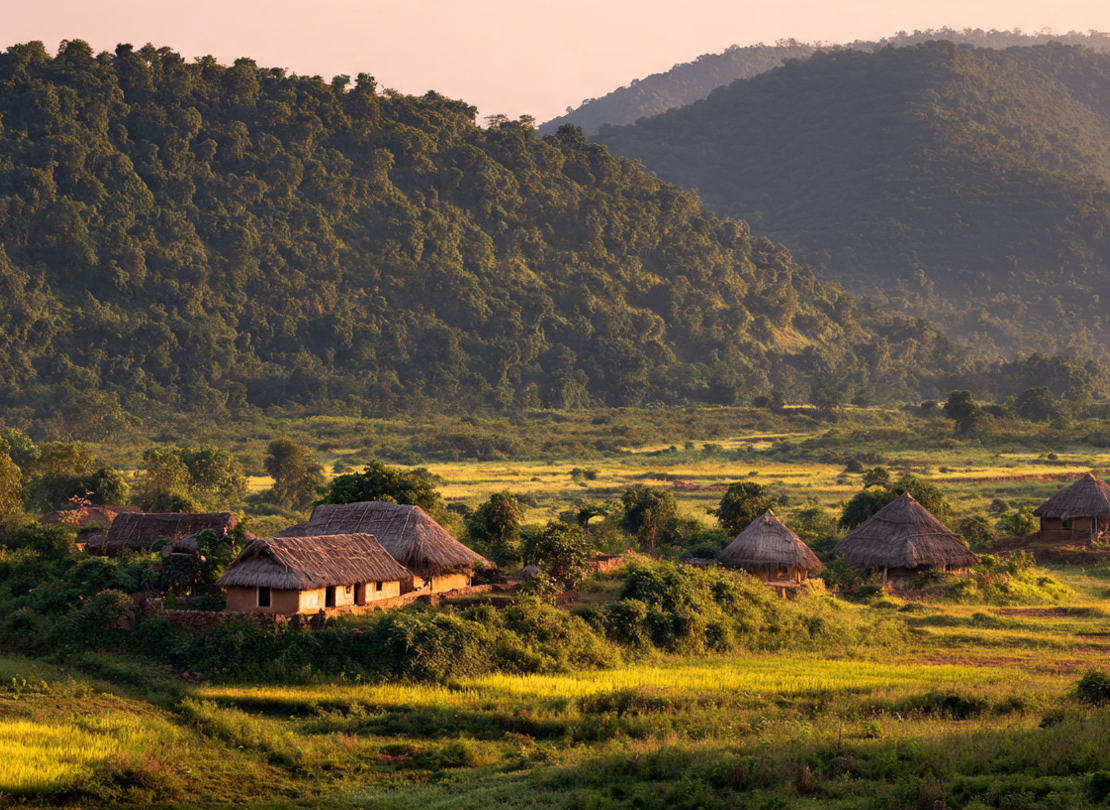
India’s biosphere reserves are grand ecological realms where forests, mountains, coasts, islands, wildlife, and local communities coexist in balance. These vast protected regions safeguard biodiversity while preserving traditional ways of life and fragile ecosystems. From Himalayan highlands and rainforest frontiers to coral seas and cloud forests, biosphere reserves are ideal for travelers seeking deeper, more meaningful encounters with India’s living natural heritage.
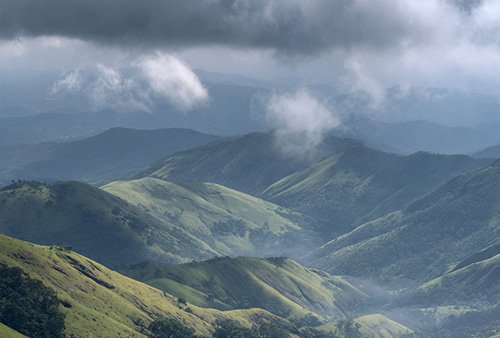 Location:
Nilgiri (TN/Kerala/Karnataka)
One-Line Narrative:
South India’s grand mountain biosphere where mist forests, tea hills, and rare wildlife meet.
Flora:
Shola forests, Teak, Sandalwood, Bamboo
Fauna:
Nilgiri Tahr, Tiger, Elephant, Lion-tailed Macaque
Elevation:
300m–2,637m
Water Bodies:
Bhavani, Moyar, Kabini
Best Time to Visit:
October – May
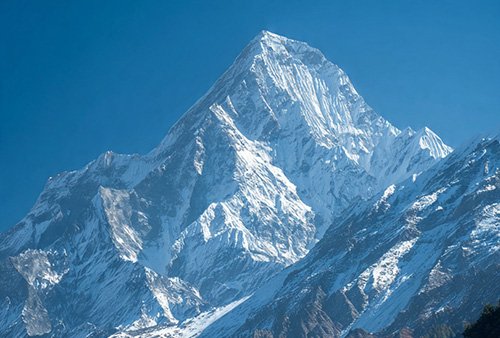 Location:
Nanda Devi (Uttarakhand)
One-Line Narrative:
A legendary Himalayan wilderness of alpine meadows, glaciers, and sacred peaks.
Flora:
Alpine meadows, Birch, Rhododendron
Fauna:
Snow Leopard, Himalayan Musk Deer, Bharal
Elevation:
1,800m–7,816m
Water Bodies:
Rishi Ganga, Dhauli Ganga
Best Time to Visit:
May – June, September – October
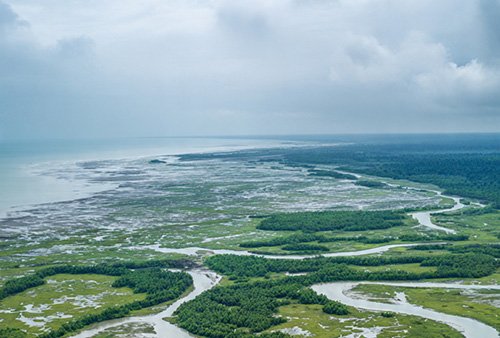 Location:
Sundarbans (West Bengal)
One-Line Narrative:
An otherworldly mangrove labyrinth where tides rule and tigers swim between islands.
Flora:
Mangroves, Sundari, Goran
Fauna:
Royal Bengal Tiger, Crocodile, Fishing Cat
Elevation:
Sea level
Water Bodies:
Ganges Delta channels
Best Time to Visit:
November – February
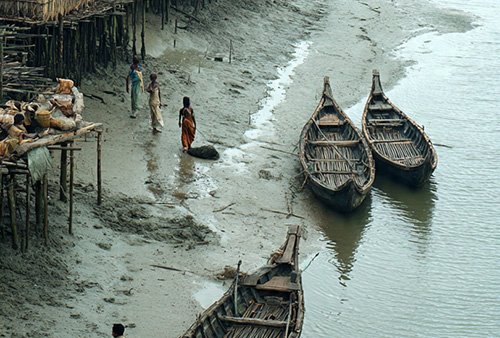 Location:
Gulf of Mannar (Tamil Nadu)
One-Line Narrative:
India’s marine paradise of coral reefs, island waters, and rare ocean life..
Flora:
Seagrass, Mangroves, Coral vegetation
Fauna:
Dugong, Dolphin, Sea Turtle
Elevation:
Sea level
Water Bodies:
Bay of Bengal / Indian Ocean
Best Time to Visit:
October – March
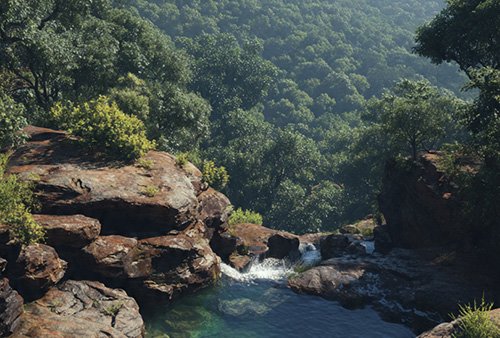 Location:
Pachmarhi (Madhya Pradesh)
One-Line Narrative:
Central India’s serene hill biosphere of forests, caves, waterfalls, and wildlife.
Flora:
Sal, Teak, Bamboo
Fauna:
Leopard, Sloth Bear, Giant Squirrel
Elevation:
300m–1,352m
Water Bodies:
Denwa River
Best Time to Visit:
October – March
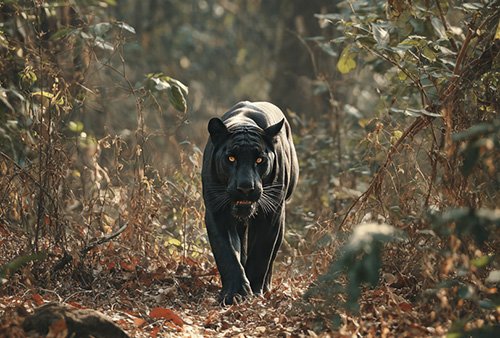 Location:
Simlipal (Odisha)
One-Line Narrative:
A hidden eastern wilderness of waterfalls, dense sal forests, and tiger country
Flora:
Sal forest, Orchids, Medicinal plants
Fauna:
Tiger, Elephant, Gaur
Elevation:
300m–1,165m
Water Bodies:
Budhabalanga River
Best Time to Visit:
November – June
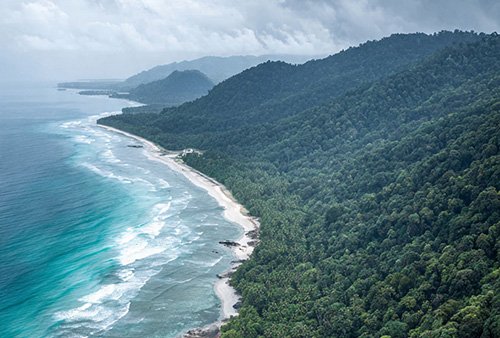 Location:
Great Nicobar
One-Line Narrative:
India’s remote tropical frontier where rainforest meets wild ocean shores.
Flora:
Tropical evergreen forest
Fauna:
Nicobar Megapode, Crab-eating Macaque, Saltwater Crocodile
Elevation:
Sea level–642m
Water Bodies:
Coastal creeks
Best Time to Visit:
November – April
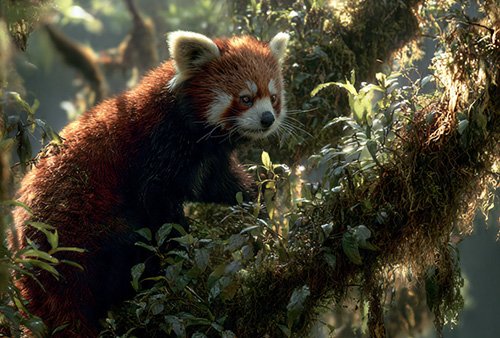 Location:
Khangchendzonga (Sikkim)
One-Line Narrative:
A sacred high-altitude realm of towering peaks, glaciers, and rare Himalayan life.
Flora:
Rhododendron, Alpine flora
Fauna:
Red Panda, Snow Leopard, Himalayan Tahr
Elevation:
1,220m–8,586m
Water Bodies:
Teesta River
Best Time to Visit:
March – May, October – November