

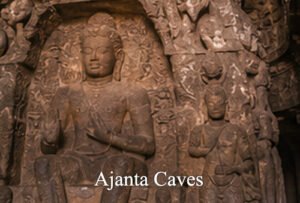
The “Lost Monastery.” These caves were forgotten for nearly 1,000 years until a British officer on a tiger hunt rediscovered them in 1819. The murals are a story of “Ancient Chemistry”—the colors, made from minerals and plants, still glow after two millennia.
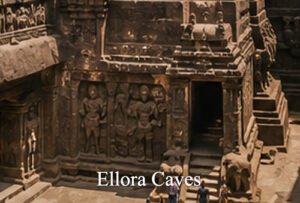
A story of “Coexistence.” Here, 34 Buddhist, Hindu, and Jain caves were carved side-by-side into the same cliff, showcasing a period of deep religious harmony and shared artistic labor.
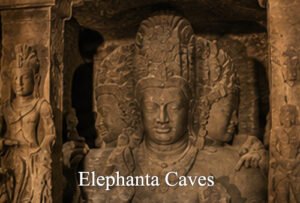
The “Cave of the Three-Headed Shiva.” The giant Sadashiva sculpture represents the three aspects of the universe. The story goes that Portuguese soldiers once used the statues for target practice, yet the spiritual power of the stone remains intact.
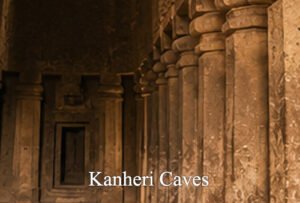
An “Ancient University.” With 109 caves, this was a massive center of learning. The story here is “Sustainability”—each cave has a rock-cut cistern that still harvests rainwater effectively today.
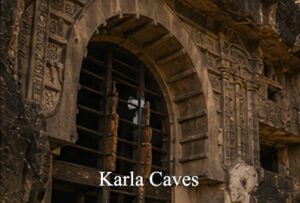
Home to the largest Chaitya (prayer hall) in India. The story is in the ceiling; the 2,000-year-old teak wood arches are original and haven’t decayed, thanks to the unique micro-climate of the rock-cut hall.
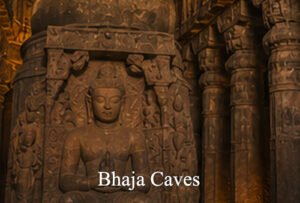
Famous for the “Dancing Couple” carvings. These caves tell the story of the early life of the common people, showing ancient musical instruments like the Tabla being played 2,000 years ago.

The “Monk’s Dormitories.” Some caves are carved to look like the open mouth of a tiger. The story here is “Epigraphy”—they contain the Hathigumpha inscription, which acts as a stone diary of the King Kharavela.
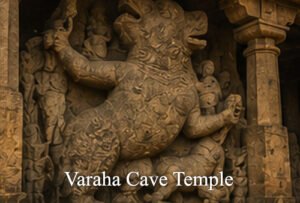
A story of “Mythic Proportion.” The carving of Vishnu as a boar lifting the Earth Goddess is considered one of the most anatomically perfect rock-cut sculptures in existence.
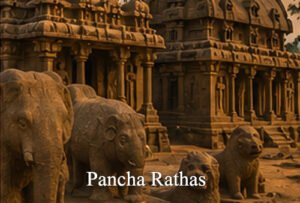
The “Experimental Laboratory.” These aren’t actually chariots, but full-scale models of different temple roof styles carved from a single ridge of pink granite to see which design worked best.
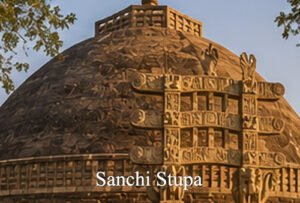
The “Blueprint of Peace.” Commissioned by Emperor Ashoka, the stupa is a cosmic diagram. The “stories” are carved into the gateways (Toranas), depicting the life of Buddha in such detail that they serve as a visual encyclopedia of ancient India.
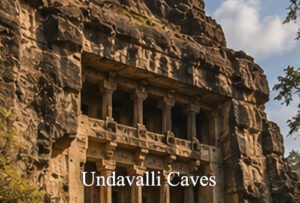
A multi-story rock-cut monastery. The story is the “Reclining Giant”—a 5-meter-long statue of Vishnu carved from a single block of sandstone within the second floor of the cave.
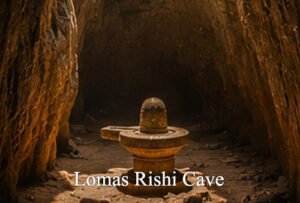
The “Ancestor of the Cave.” It is the oldest rock-cut cave in India. The story is of “Material Mimicry”—stone workers carved the entrance to look exactly like a thatched wooden hut, showing the transition from wood to stone.
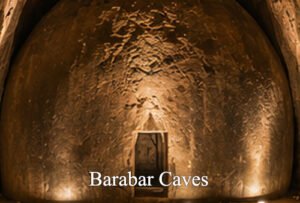
The “Hall of Echoes.” These caves have a mirror-like interior polish. The story is “Acoustic Engineering”—the echo lasts for several seconds, designed specifically to help monks sustain a single chant for meditation.
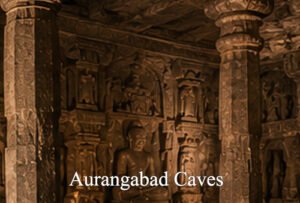
The “Feminine Divine.” While other caves focus on male deities, these Buddhist caves feature rare and beautiful carvings of female deities like Tara, showing a unique tantric influence in late Buddhism.