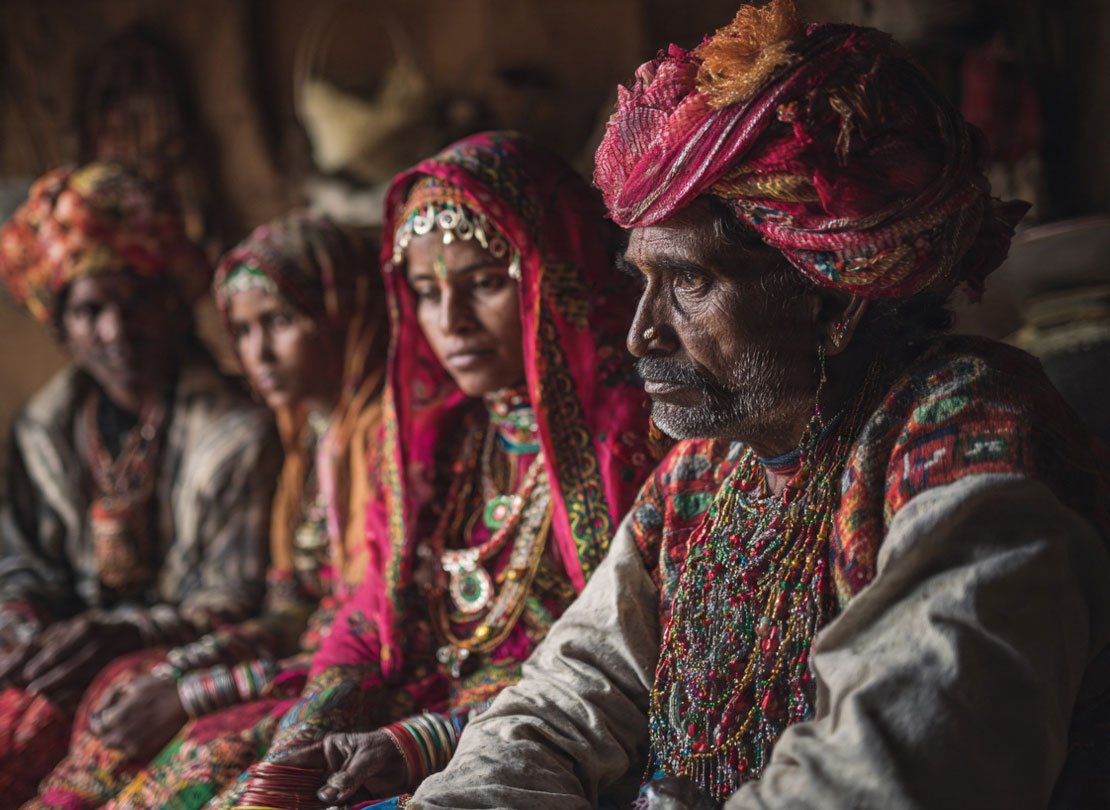


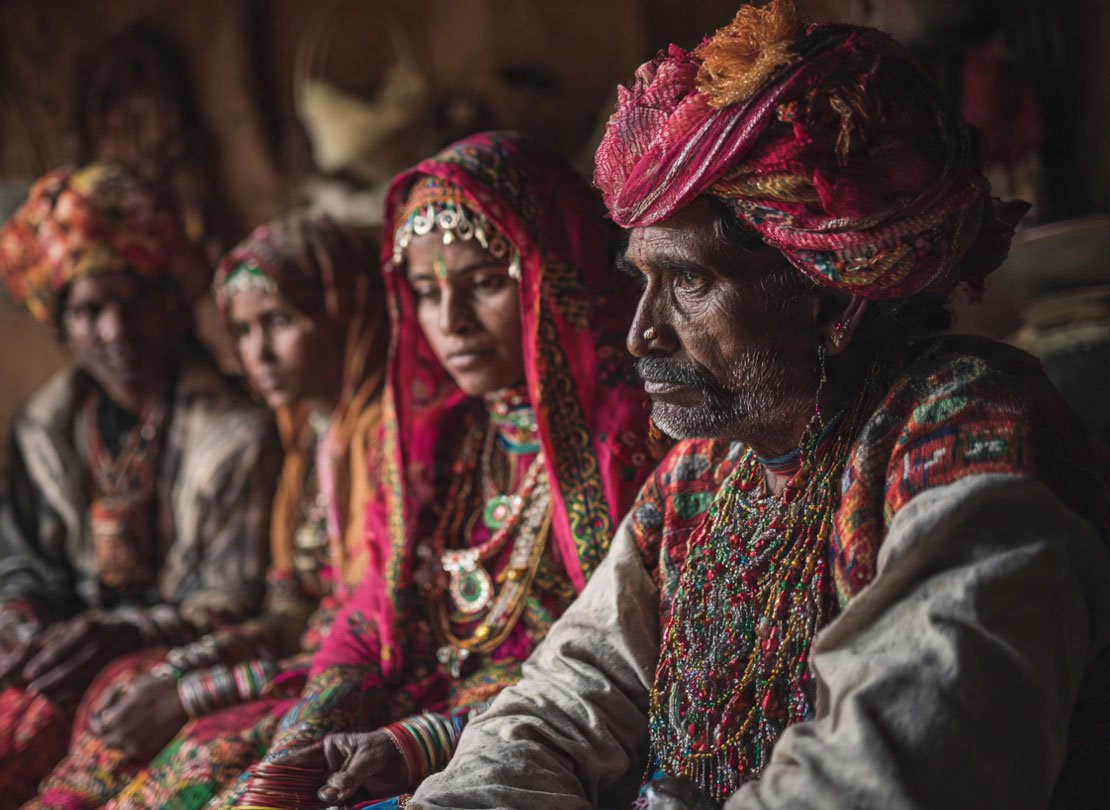
Central India holds one of the richest indigenous cultural landscapes in South Asia. Forest kingdoms, plateau settlements, sacred groves, farming villages, and seasonal fairs have shaped communities whose traditions remain deeply connected to land, memory, and ecology. From internationally celebrated art forms to ancestral governance systems and harvest festivals, these cultures offer meaningful insight into India beyond the expected. This website edition presents polished, respectful profiles designed for heritage-led travel storytelling and cultural discovery.
Primary States: Madhya Pradesh, Chhattisgarh, Maharashtra, Telangana
Landscape: Forest belts, river valleys, agricultural villages, plateau settlements
Traditional Occupations: Farming, forest produce collection, metalwork, painting, hunting traditions
$1 Worldview / Religion: Nature-venerating traditions with regional Hindu influences; reverence for clan spirits and ancestors.
Social Structure / Laws: Clan-based exogamy, village councils, customary mediation by elders.
Unique Customs: Gond painting rituals, harvest dances, oral epics, youth learning institutions in some regions.
Folk Deities: Persa Pen, Bara Deo, village guardian spirits.
Folklore & Legends: Creation stories linking the first people to forests, hills, and sacred trees.
The Gond community is among the largest indigenous groups in India and has historically inhabited the forests and uplands of Central India. Their settlements stretch across Madhya Pradesh, Chhattisgarh, Maharashtra, and adjoining regions, where they developed strong relationships with forests, rivers, and agricultural land. The Gond worldview is deeply connected to nature, with hills, trees, animals, and ancestral spirits holding sacred meaning.
The community is globally celebrated for Gond art, a vivid visual tradition that transforms animals, trees, birds, and everyday life into rhythmic patterns and symbolic forms. Originally painted on walls and floors during rituals, Gond art today is internationally collected while still carrying spiritual meaning. Many paintings depict the invisible life-force believed to flow through the natural world.
Agriculture remains central to Gond life, with millet, maize, pulses, and seasonal crops traditionally cultivated alongside forest gathering. Mahua flowers, honey, lac, and medicinal plants have long supported livelihoods. Music and dance are integral to festivals, especially during harvests and communal fairs.
Traditional governance historically operated through clan elders and village councils. Some Gond communities also maintained youth institutions that helped transmit songs, ethics, responsibilities, and cultural memory to younger generations.
For culturally curious travelers, Gond regions offer encounters with living art traditions, forest food heritage, village festivals, and one of India’s most sophisticated indigenous visual cultures.
 Region: Central India
Primary States: Madhya Pradesh, Chhattisgarh, Uttar Pradesh (small pockets)
Landscape: Dense forests, hill slopes, woodland villages
Traditional Occupations: Forest gathering, herbal healing, shifting cultivation, basketry
$1 Worldview / Religion: Deep earth-centered spirituality honoring forests, ancestors, and healing spirits.
Social Structure / Laws:Community councils led by elders; customary consensus decision-making.
Unique Customs: Extensive tattoo traditions, herbal healing lineages, ceremonial dances.
Folk Deities: Budha Deo, Dharti Mata, local forest spirits.
Folklore & Legends: Stories describe the earth as a living mother who must be respected.
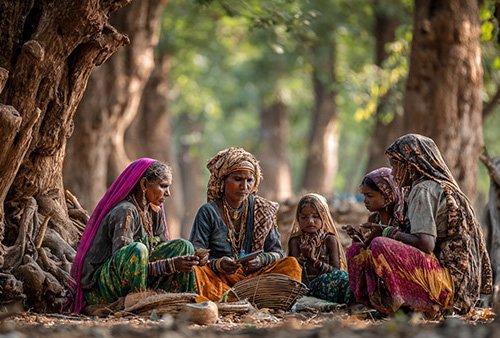
The Baiga are one of Central India’s most culturally distinctive forest communities, known for their intimate ecological knowledge and strong spiritual relationship with land. Traditionally found in forested areas of Madhya Pradesh and Chhattisgarh, they have long been recognized as expert herbal healers, gatherers, and custodians of woodland biodiversity.
Baiga belief systems center around reverence for the earth, forests, and ancestral powers. Many oral traditions describe the soil as sacred and living, which shaped customary attitudes toward farming and land use. Their knowledge of roots, bark, leaves, and medicinal plants has historically been valued across rural Central India.
Baiga women are especially known for elaborate tattoo traditions, once considered both protective and beautiful. Tattoo motifs often carried identity, spiritual symbolism, and life-stage meaning. Music, drums, and circular dances animate community celebrations tied to seasons and harvest cycles.
Historically, shifting cultivation and forest gathering were central to subsistence. Forest foods such as tubers, mushrooms, fruits, honey, and herbs formed an important dietary base. Over time, many Baiga communities also adopted settled farming and wage labor while maintaining cultural continuity.
For mindful travelers, Baiga landscapes reveal indigenous ecological wisdom, plant medicine traditions, and ceremonial arts rooted in the forest world.
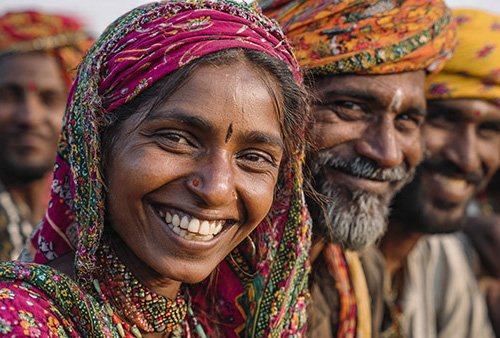 Region: Central India
Primary States: Madhya Pradesh, Maharashtra
Landscape: Satpura hills, forested highlands, agricultural valleys
Traditional Occupations: Farming, forest produce gathering, weaving, wage labor
$1 Worldview / Religion: Ancestor reverence with sacred hill, grove, and seasonal rituals.
Social Structure / Laws: Village elders and kin groups guide marriage norms and dispute settlement.
Unique Customs: Stick dances, agricultural rites, oral epics.
Folk Deities: Village spirits, ancestor guardians, regional deities.
Folklore & Legends: Narratives connect clans to Satpura hills and forest streams.
The Korku people primarily inhabit the Satpura ranges of Madhya Pradesh and Maharashtra, where hill forests and fertile valleys shape daily life. Linguistically linked to the Austroasiatic language family, the Korku preserve a distinctive cultural identity rooted in agriculture, ritual memory, and community solidarity.
Millets, maize, pulses, and seasonal crops have traditionally formed the backbone of Korku agriculture. Forest resources such as tendu leaves, honey, bamboo, and medicinal plants supplement rural livelihoods. Basketry, woodcraft, and seasonal labor also play a role in household economies.
Korku ritual life often includes ceremonies honoring ancestors and seasonal forces. Oral epics, storytelling, and song traditions help transmit history between generations. Community dances using sticks and rhythmic movement are performed during fairs and celebrations.
The Satpura landscape remains central to Korku identity. Hills, streams, sacred groves, and village commons are often embedded in memory and ritual geography. Their cultural world reflects a long adaptation to upland ecology and mixed farming systems.
For slow travelers, Korku regions reveal an India of lesser-known mountain villages, agricultural rhythms, and resilient forest cultures shaped by the central highlands.
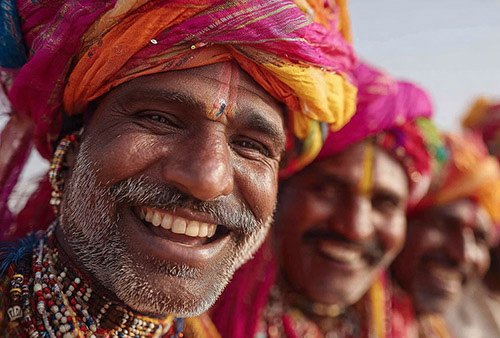 Region: Central & Western India
Primary States: Rajasthan, Gujarat, Madhya Pradesh, Maharashtra
Landscape: Aravalli hills, dry forests, plateau villages
Traditional Occupations: Farming, archery traditions, forest work, crafts, labor
$1 Worldview / Religion: Nature-based beliefs blended with Hindu traditions depending on region.
Social Structure / Laws: Clan councils, customary marriage rules, strong kinship obligations.
Unique Customs: Archery heritage, Gavri ritual theatre, vibrant fair traditions.
Folk Deities: Bhomia, clan guardians, Shiva-linked local forms.
Folklore & Legends: Heroic tales of hunters, warriors, and hill protectors.
The Bhils are among India’s largest tribal communities and are spread across Rajasthan, Gujarat, Madhya Pradesh, and Maharashtra.
Historically associated with forests and hill country, Bhil communities are widely remembered for martial skill, archery, and resistance traditions in western India.
Agriculture today forms the backbone of Bhil livelihoods, supported by livestock, forest produce, and seasonal work. Millet, maize, pulses, and oilseeds are commonly cultivated depending on region. In many areas, painting, beadwork, and woodcraft enrich local culture.
Bhil celebrations are energetic and highly visual. The famous **Bhagoria** festival, associated with spring and courtship traditions, is one of western India’s most vibrant tribal fairs. **Gavri** performances combine theater, dance, devotion, and storytelling through traveling ritual troupes.
Clan identity, kinship networks, and village councils historically played important roles in social regulation. Music with drums and flutes remains central to weddings and seasonal events.
For experiential travelers, Bhil landscapes offer fairs, folk performance, hill settlements, colorful seasonal markets, and one of India’s broadest indigenous cultural worlds.
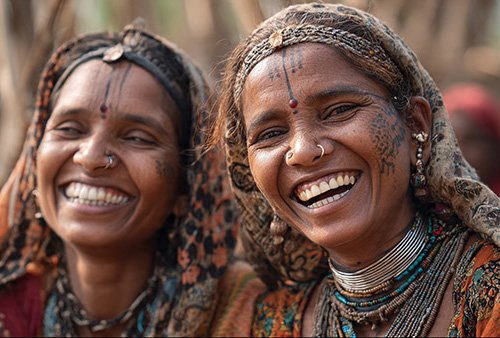 Region: Central India
Primary States: Rajasthan, Madhya Pradesh
Landscape: Dry forests, scrublands, rural settlements
Traditional Occupations: Forest produce gathering, agriculture, honey collection, labor
$1 Worldview / Religion: Sacred relationship with forests, seasonal cycles, and household ancestors.
Social Structure / Laws: Councils of elders mediate disputes and maintain social norms.
Unique Customs: Honey gathering knowledge, devotional songs, seasonal dances.
Folk Deities: Thakur Dev, village mothers, protective spirits.
Folklore & Legends: Stories celebrate resilience in dry forests and guidance from ancestral spirits.
The Sahariya community is found mainly in Rajasthan and Madhya Pradesh, especially in dry forest belts and semi-arid landscapes. Traditionally known for deep woodland knowledge, Sahariya families have long gathered gums, honey, medicinal herbs, and other forest resources while also practicing small-scale agriculture.
Their cultural life is tied to seasonal cycles, village rituals, and kinship networks. Oral storytelling, devotional songs, and dance remain important during weddings and annual festivals. Many settlements maintain strong social cohesion through councils of elders and customary mediation practices.
The surrounding terrain—thorn forests, rocky hills, and monsoon-fed farmlands—has shaped Sahariya resilience and resourcefulness. Traditional diets historically included gathered foods, coarse grains, pulses, and forest products.
Today, Sahariya communities represent an important part of Central India’s heritage landscape. Their knowledge of dryland ecology, forest species, and seasonal survival systems remains significant.
For travelers seeking meaningful cultural encounters, Sahariya regions offer insight into lesser-known rural India where ecological wisdom and community traditions continue across dramatic dryland landscapes.
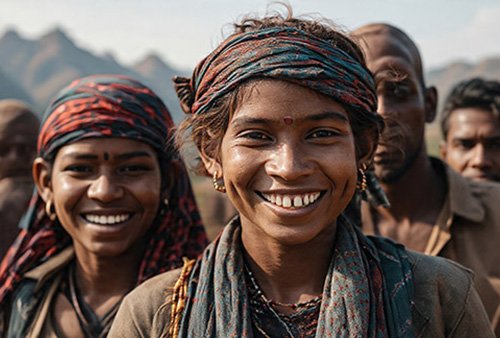 Region: Central / Northern India
Primary States: Madhya Pradesh, Uttar Pradesh, Chhattisgarh
Landscape: Vindhyan hills, dry forests, farming belts
Traditional Occupations: Agriculture, stone work, forest labor
Key Festivals: Holi, Diwali, local harvest fairs
Worldview / Religion: Nature-linked beliefs blended with regional faith practices.
Social Structure / Laws: Village elders, kinship networks.
Unique Customs: Hill settlement traditions, labor guild memory.
Folk Deities: Gram devtas, ancestral spirits.
Folklore & Legends: Stories of hill guardians and forest endurance.
The Kol communities of central India are historically linked to hill tracts and agrarian labor landscapes. For travelers, Kol country reveals another layer of India’s inland rural heritage beyond mainstream circuits.
 Region: Eastern India
Primary States: Jharkhand, West Bengal, Odisha, Bihar, Assam
Landscape: Agrarian villages, forest edges, plateau settlements
Traditional Occupations: Farming, forest gathering, craftwork, mining labor, music traditions
Key Festivals: Sohrai, Baha, Karam, Mage Parab
Worldview / Religion: Sarna traditions centered on sacred groves, nature spirits, ancestors.
Social Structure / Laws: Manjhi-Pargana governance system with village headmen and councils.
Unique Customs: Community dancing, wall art traditions, Dhodro Banam instrument, seasonal song cycles.
Folk Deities: Marang Buru, Jaher Ayo, village guardian spirits.
Folklore & Legends: Stories of seven brothers and one sister linked to origins and seasonal memory.
The Santhal community is one of Eastern India’s most influential indigenous societies, with a strong presence across Jharkhand, West Bengal, Odisha, and adjoining states. Their villages are often set amid fields, sal forests, and gently rising plateaus, where agriculture and seasonal rituals shape the rhythm of life.
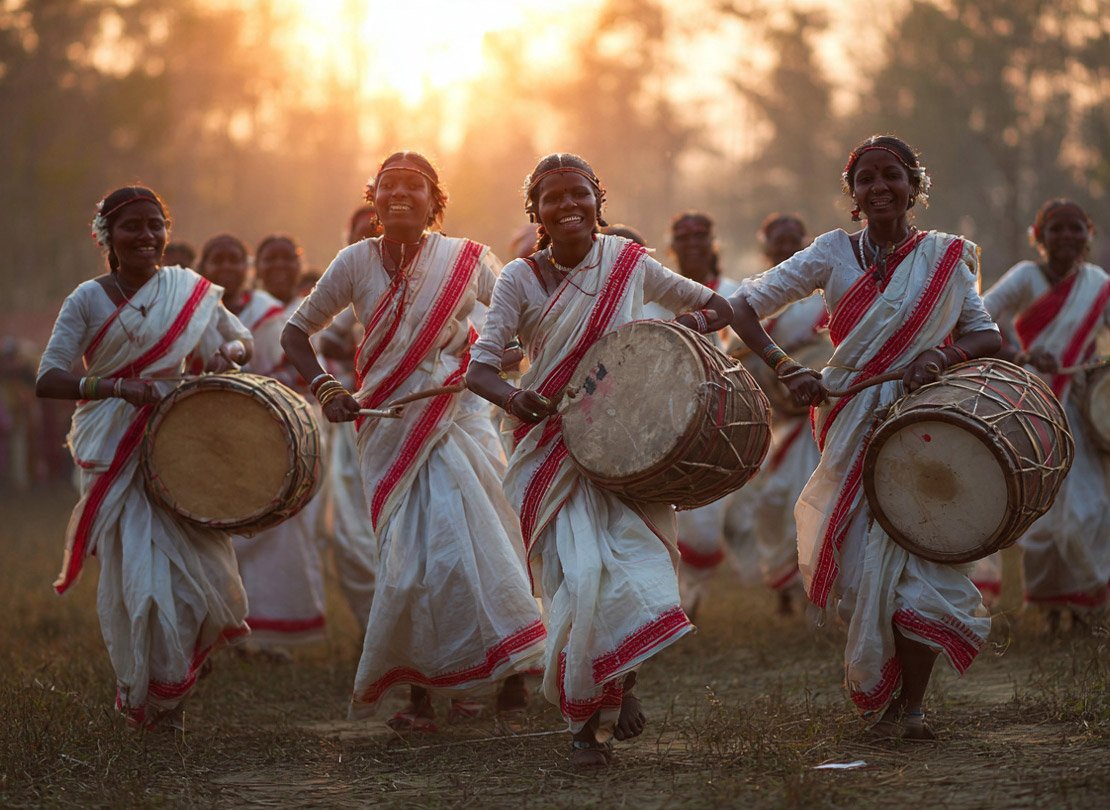
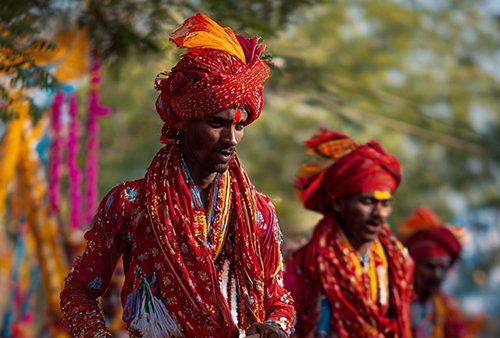
Santhal culture is celebrated for music, dance, and collective festivities. During Sohrai, homes are decorated and cattle honored after harvest, while Baha welcomes flowers, fertility, and renewal. Drums, flutes, and the resonant Dhodro Banam accompany dances that can continue late into the night.
Sacred groves known as Jaher Than remain important ritual spaces, linking community identity to landscape. Traditional governance through the Manjhi-Pargana system historically organized village life, dispute resolution, and customary law.
For travelers, Santhal regions offer immersive encounters with mural art, harvest celebrations, music traditions, and one of India’s richest living oral cultures.
 Region: Eastern India
Primary States: Jharkhand, Odisha, West Bengal, Chhattisgarh
Landscape: Forest-agriculture zones, plateau villages, river valleys
Traditional Occupations: Farming, cattle rearing, forest work, iron craft traditions
Key Festivals: Sarhul, Mage, Phagu, Karma
Worldview / Religion: Nature-centered beliefs with sacred sal trees, ancestor reverence, regional faith blends.
Social Structure / Laws: Strong village councils, clan systems, customary land memory.
Unique Customs: Akhra dance grounds, community festivals, martial memory linked to Birsa Munda.
Folk Deities: Singbonga, village spirits, ancestor guardians.
Folklore & Legends: Heroic narratives of land defense and sacred forests.
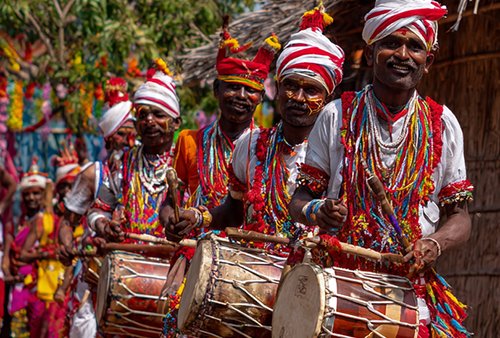
The Munda people are among the foundational indigenous communities of the Chota Nagpur plateau. Their history is closely tied to forests, farming systems, and resistance movements, most notably the Ulgulan led by Birsa Munda.
Munda villages traditionally center around community spaces where meetings, dances, and ceremonies take place. Agriculture remains important, with rice, millet, pulses, and livestock supporting livelihoods. Seasonal festivals such as Sarhul celebrate flowering sal trees and the arrival of spring.
Music and dance are deeply woven into social life, while oral traditions preserve clan histories and relationships to land. Many rituals honor both ancestors and natural forces.
For visitors, Munda regions offer a powerful blend of cultural resilience, seasonal celebration, and plateau landscapes rich in memory.
 Region: Eastern India
Primary States: Jharkhand, Odisha
Landscape: Forest settlements, uplands, farming villages
Traditional Occupations: Agriculture, hunting traditions, weaving, forest gathering
Key Festivals: Mage Parab, Ba Parab, Jomnamah, Karam
Worldview / Religion: Nature-venerating traditions with ancestor reverence.
Social Structure / Laws: Clan-based identity through Killi lineages; village councils guide customs.
Unique Customs: Strong community dances, oral epics, distinctive language heritage.
Folk Deities: Singbonga, Desauli, ancestor spirits.
Folklore & Legends: Tales linking clans to animals, hills, and first settlements.
The Ho community inhabits parts of Jharkhand and Odisha, especially the forested and mineral-rich uplands of eastern India. Their name is often interpreted simply as “people,” reflecting a strong sense of community identity.
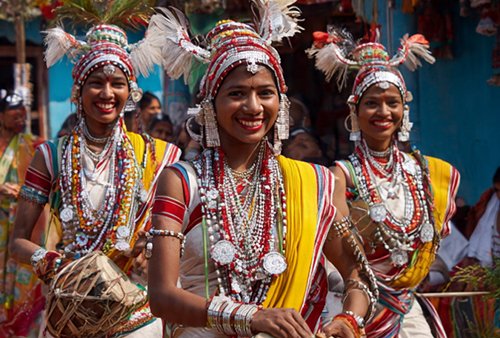
Agriculture forms the economic core of many Ho villages, supported by forest resources and traditional knowledge systems. Festivals such as Mage Parab mark renewal, gratitude, and collective celebration through music, drumming, and dance.
Clan lineages known as Killi help shape marriage rules and kinship organization. Oral traditions remain important, carrying historical memory through songs and storytelling.
For travelers, Ho landscapes reveal village festivals, plateau scenery, and enduring traditions of community-centered life.
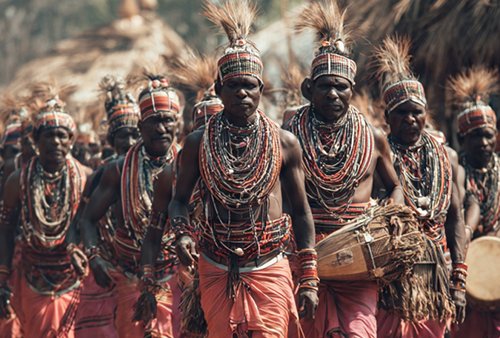 Region: Eastern India
Primary States: Odisha
Landscape: Hilltop settlements, forested highlands, remote valleys
Traditional Occupations: Shifting cultivation, millet farming, forest gathering, weaving
Key Festivals: Chait Parab, Patkhanda Yatra, harvest celebrations
Worldview / Religion: Nature-based ritual systems with ancestor and hill-spirit reverence.
Social Structure / Laws: Village elders and customary councils; strong community autonomy.
Unique Customs: Distinctive bead adornment, metal jewelry, resilient hill agriculture, unique Remo language.
Folk Deities: Earth spirits, hill guardians, ancestral powers.
Folklore & Legends: Stories of migration into the highlands and protection by mountain spirits.
The Bonda people of Odisha are among India’s most culturally distinctive hill communities, living primarily in the rugged uplands of the Eastern Ghats. Their settlements are traditionally adapted to steep terrain, monsoon patterns, and mixed forest ecology.
Bonda identity is closely associated with vibrant beadwork, metal ornaments, and a powerful visual culture that reflects status, beauty, and continuity. Millet cultivation, forest foods, and seasonal farming have historically supported village life.
Ceremonies and festivals bring together music, dance, and offerings tied to agricultural cycles and protective spirits of the hills. Community life is strongly rooted in autonomy, kinship, and customary practices.
For thoughtful travelers, Bonda regions symbolize a lesser-seen India of mountain resilience, cultural continuity, and striking indigenous identity.
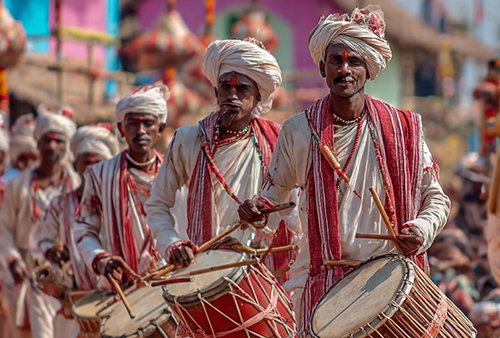 Region: Eastern / Central India
Primary States: Jharkhand, Chhattisgarh, Odisha, West Bengal
Landscape: Plateau villages, farm belts, sal forest zones
Traditional Occupations: Agriculture, forest gathering, labor, music traditions
Key Festivals: Sarhul, Karma, Khaddi, Nawakhani
Worldview / Religion: Sarna traditions, ancestor reverence, sacred groves.
Social Structure / Laws: Clan-based systems, village councils, customary law.
Unique Customs: Mandar drum dances, youth akhra grounds, rich oral songs.
Folk Deities: Dharmes, village spirits, ancestors.
Folklore & Legends: Stories of migration and sacred sal forests.
The Oraon, also known as Kurukh, are among eastern India’s major indigenous communities. Their culture is closely tied to farming cycles, forest memory, and highly expressive dance traditions.
Seasonal festivals transform village spaces into music-filled gathering grounds. For travelers, Oraon regions offer authentic encounters with plateau landscapes, agrarian rituals, and living community culture.
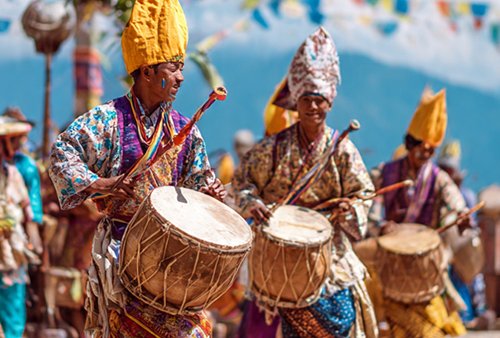 Region: Eastern Himalaya
Primary States: Sikkim, West Bengal (Darjeeling)
Landscape: Mist forests, mountain valleys, river gorges
Traditional Occupations: Farming, cardamom cultivation, weaving, forest knowledge
Key Festivals: Tendong Lho Rum Faat, Namsoong
Worldview / Religion: Sacred relationship with Kanchenjunga landscapes; Buddhism and indigenous belief blends.
Social Structure / Laws: Clan networks, village cooperation.
Unique Customs: Mountain songs, bamboo craft, river lore.
Folk Deities: Protective mountain spirits, ancestral guardians.
Folklore & Legends: Tendong Hill flood legends and sacred peak narratives.
Often described as original inhabitants of Sikkim, the Lepcha possess one of the Himalaya’s most graceful ecological cultures.
Forests, rivers, and mountains are viewed as living presences. For travelers, Lepcha heritage offers a contemplative gateway into sacred landscapes beneath Kanchenjunga.
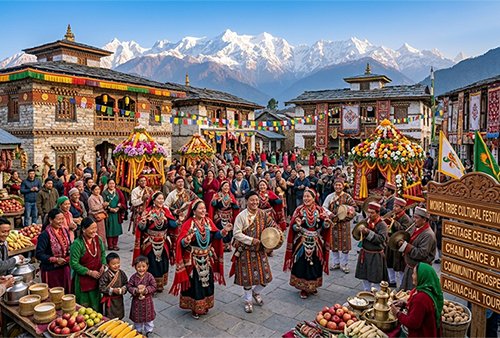 Region: Eastern Himalaya
Primary States: Arunachal Pradesh
Landscape: High valleys, monasteries, alpine meadows
Traditional Occupations: Yak herding, farming, weaving, trade
Key Festivals: Losar, Torgya, Choskar
Worldview / Religion: Tibetan Buddhist traditions with mountain reverence.
Social Structure / Laws: Village councils, monastery-linked community life.
Unique Customs: Thangka arts, yak culture, timber houses.
Folk Deities: Buddhist protector deities, local mountain spirits.
Folklore & Legends: Passes, snow peaks, and monastery legends.
The Monpa communities of Arunachal Pradesh inhabit some of India’s most dramatic mountain country near Tawang. Their culture blends Buddhist learning, highland pastoralism, and Himalayan craftsmanship. For travelers, Monpa regions offer monasteries, alpine scenery, and refined mountain traditions.
 Region: Eastern India
Primary States: Jharkhand, Odisha, Chhattisgarh
Landscape: Forest villages, plateau clearings, farm zones
Traditional Occupations: Farming, forest gathering, hunting traditions
Key Festivals: Karma, Sarhul, harvest celebrations
Worldview / Religion: Nature-centered traditions, ancestor reverence.
Social Structure / Laws: Clan systems, village councils.
Unique Customs: Distinct language heritage, communal dances.
Folk Deities: Village spirits, sacred grove guardians.
Folklore & Legends: Forest origin tales and migration memory.
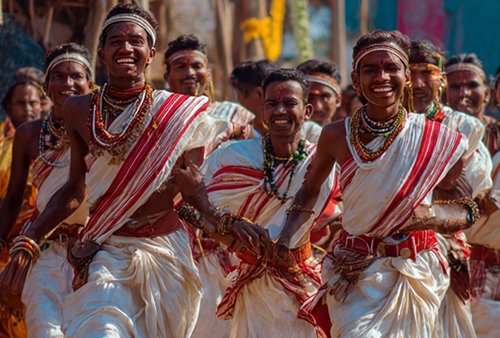
The Kharia communities of eastern India preserve strong ties to plateau forests and agrarian life. For travelers, Kharia regions offer lesser-seen cultural landscapes shaped by song, forest knowledge, and community ritual.
 Region: North-East India
Primary States: Meghalaya (also Assam pockets)
Landscape: Highland plateaus, sacred groves, mist valleys, market towns
Traditional Occupations: Farming, horticulture, trade, weaving, betel cultivation
Key Festivals: Nongkrem Dance Festival, Shad Suk Mynsiem, Behdeinkhlam (shared regional relevance)
Worldview / Religion: Indigenous Khasi faith (Niam Khasi), creator belief, ancestor reverence; also Christianity in many communities.
Social Structure / Laws: Matrilineal descent; youngest daughter (Khadduh) often custodian of ancestral property; councils and customary law.
Unique Customs: Sacred grove protection, matrilineal inheritance, traditional archery, market leadership by women.
Folk Deities: U Blei Nongthaw, household spirits, sacred grove guardians.
Folklore & Legends: Legends of seven huts from heaven and sacred forests that must never be violated.
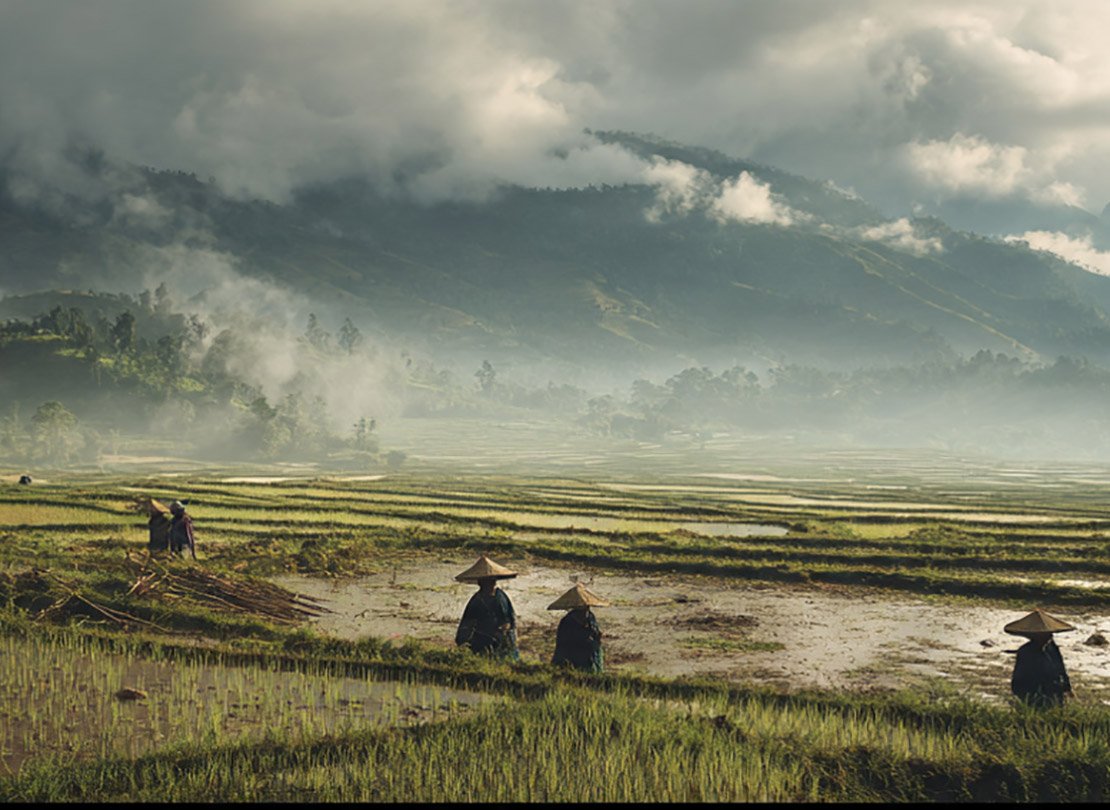
The Khasi people of Meghalaya inhabit one of India’s most atmospheric landscapes—rolling plateaus, waterfalls, monsoon forests, and living-root bridge country. They are internationally recognized for their matrilineal social system in which lineage and inheritance traditionally pass through women.
Khasi cultural identity is deeply tied to sacred groves, where forests are preserved through customary belief and ecological reverence. These protected spaces stand as powerful examples of community conservation. Agriculture, horticulture, and vibrant hill markets shape daily life, with women playing a visible role in commerce.
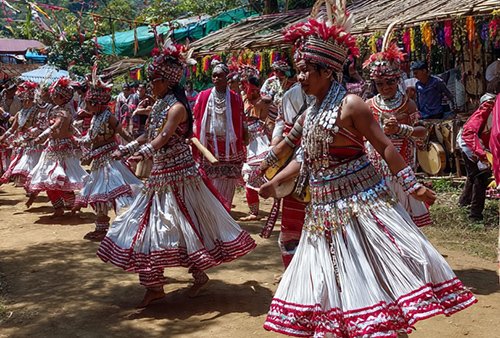
Festivals such as Nongkrem and Shad Suk Mynsiem celebrate gratitude, harmony, and community continuity through ceremonial dance and traditional attire. Music, drums, and oral storytelling remain central to festive gatherings.
For travelers, Khasi country offers one of India’s richest combinations of culture and landscape: sacred forests, matrilineal heritage, dramatic scenery, and living traditions shaped by the clouds.
 Region: North-East India
Primary States: Meghalaya, Assam
Landscape: Forest hills, river valleys, bamboo villages
Traditional Occupations: Farming, shifting cultivation, hunting traditions, weaving
Key Festivals: Wangala, Galmak Doa, harvest celebrations
Worldview / Religion: Indigenous beliefs honoring nature and ancestors; Christianity widely practiced today.
Social Structure / Laws: Matrilineal inheritance; clan identity important; village councils and customary mediation.
Unique Customs: Nokpante youth houses (historically), drum culture, community harvest dances.
Folk Deities: Misi Saljong (sun/harvest deity), ancestral spirits.
Folklore & Legends: Stories of spirits inhabiting forests, rivers, and thunderous hills.
The Garo people are one of Meghalaya’s principal indigenous communities and are known for strong matrilineal traditions, festive music, and hill agriculture. Their homeland stretches across the lush Garo Hills, where dense forests and fertile valleys shape village life.
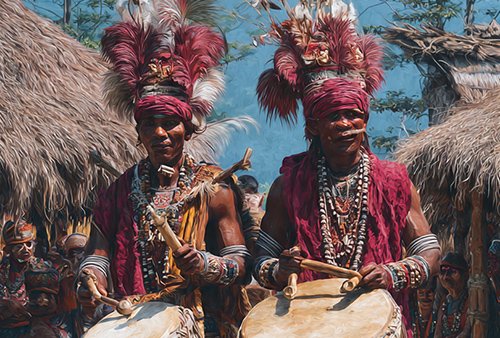
The most celebrated festival is Wangala, often called the Hundred Drums Festival, honoring harvest abundance through synchronized drumming, dance, and elaborate attire. Agriculture, especially shifting and mixed farming, has historically structured the annual cycle.
Clan networks remain socially important, while customary law and family obligations continue to influence community life. Traditional homes, bamboo craft, and oral legends reflect long adaptation to a forested hill environment.
For travelers, Garo country offers vibrant festivals, musical traditions, wildlife-rich landscapes, and one of India’s most welcoming upland cultures.
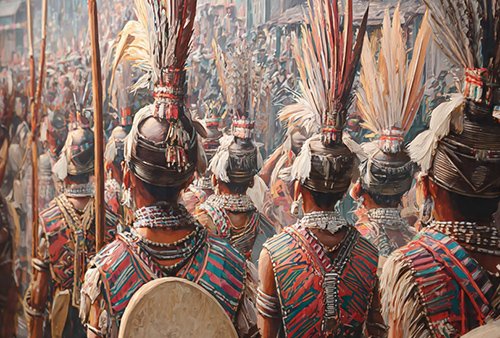 Region: North-East India
Primary States: Nagaland, Manipur, Arunachal Pradesh, Assam (by tribe)
Landscape: Mountain villages, ridges, forest slopes, terrace fields
Traditional Occupations: Terrace farming, weaving, woodcraft, hunting traditions
Key Festivals: Hornbill Festival, Sekrenyi, Moatsu, Tokhu Emong, Tuluni
Worldview / Religion: Diverse by tribe; Christianity prominent today with older animist memory and ancestral cosmologies.
Social Structure / Laws: Village republic traditions, councils of elders, clan identity, customary law.
Unique Customs: Morung youth houses, warrior shawls, wood carving, ceremonial feasts of merit.
Folk Deities: Vary by tribe; ancestral spirits and village guardian forces.
Folklore & Legends: Rich migration stories, warrior legends, and origin tales tied to stones, caves, and mountains.
The term Naga refers to a constellation of tribes across the highlands of North-East India, each with distinct language, dress, and ceremonial traditions. Their villages historically occupied strategic ridges and mountain slopes, often organized with strong local autonomy.
Naga textiles are among India’s most striking, with shawl patterns traditionally carrying markers of achievement, identity, or social standing. Wood carving, basketry, and architecture remain important expressions of craftsmanship.
Agriculture includes terrace cultivation and upland farming, while festivals celebrate fertility, harvest, and community honor. The modern Hornbill Festival has become a celebrated showcase of many Naga traditions.
For travelers, Naga country offers dramatic mountain culture, exceptional textiles, music, cuisine, and some of the most dynamic indigenous identities in South Asia.
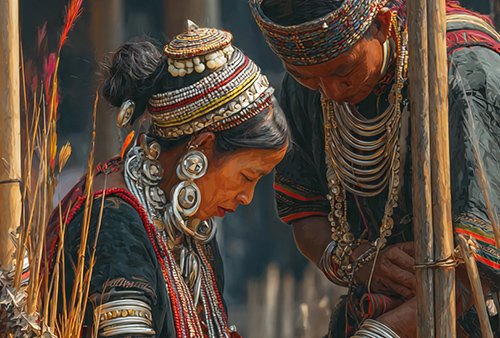 Region: North-East India
Primary States: Mizoram
Landscape: Folded hills, bamboo forests, ridge settlements
Traditional Occupations: Farming, weaving, bamboo craft, horticulture
Key Festivals: Chapchar Kut, Mim Kut, Pawl Kut
Worldview / Religion: Christianity widely practiced today; earlier nature-centered traditions remain in memory.
Social Structure / Laws: Strong civic ethics, village cooperation, community councils.
Unique Customs: Tlawmngaihna ethic of selfless service, bamboo dance (Cheraw), choral music culture.
Folk Deities: Historical spirit beliefs and ancestral cosmologies.
Folklore & Legends: Stories of migration, heroic hunters, and sacred hills.
The Mizo people of Mizoram are known for remarkable social cohesion, high literacy, and a strong ethical code known as Tlawmngaihna, emphasizing selflessness, dignity, and responsibility to others.
Their homeland of layered green hills and bamboo forests shapes a graceful mountain culture where music, hospitality, and community life remain central. The famed Cheraw bamboo dance is one of India’s most elegant performance traditions.
Festivals such as Chapchar Kut celebrate the completion of jungle clearing and the onset of spring through dance, food, and public joy.
For travelers, Mizoram offers refined hill culture, scenic roads, music traditions, and a deeply admired social ethos.
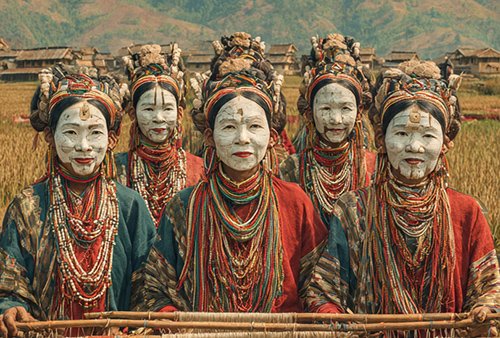
Primary States: Arunachal Pradesh
Landscape: Ziro Valley wetlands, terraced fields, pine slopes
Traditional Occupations: Wet rice cultivation, fish-paddy farming, weaving
Key Festivals: Dree, Myoko, Murung
Worldview / Religion: Indigenous Donyi-Polo influences, ancestor reverence; some Christianity.
Social Structure / Laws: Village councils, strong cooperative farming systems.
Unique Customs: Integrated rice-fish farming, historic facial tattoos and nose plugs, wood architecture.
Folk Deities: Sun-Moon powers, fertility and household spirits.
Folklore & Legends: Tales of valley settlement and beauty customs linked to protection.
The Apatani of Arunachal Pradesh inhabit the celebrated Ziro Valley, where one of India’s most sophisticated traditional agricultural systems evolved. Their wet rice cultivation integrated with fish rearing is widely admired for sustainability and efficiency.
Festivals such as Dree honor fertility, crops, and communal well-being, while Myoko strengthens alliances between villages. Traditional houses, carved wood features, and weaving enrich the valley landscape.
For travelers, Apatani country offers a rare combination of ecological intelligence, graceful valley scenery, and living indigenous sophistication.
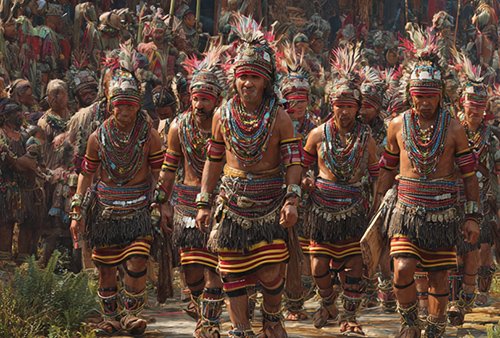
Primary States: Arunachal Pradesh
Landscape: River valleys, mountain slopes, bamboo settlements
Traditional Occupations: Farming, fishing, hunting traditions, cane and bamboo craft
Key Festivals: Solung, Aran, Etor, Mopin (regional overlap)
Worldview / Religion: Donyi-Polo traditions, nature spirits, ancestors.
Social Structure / Laws: Village councils (Kebang), clan systems, customary law.
Unique Customs: Ponung dance, cane craft, elevated houses, riverine knowledge.
Folk Deities: Sun-Moon forces, household spirits, ancestral guardians.
Folklore & Legends: Epics of migration, river spirits, and heroic ancestors.
The Adi peoples of Arunachal Pradesh live across river valleys and mountain terrain where bamboo architecture, farming, and oral tradition remain central to community life. Their settlements often overlook dramatic landscapes shaped by rivers descending from the Himalaya.
The Kebang council system historically guided governance, mediation, and customary law. Festivals such as Solung celebrate agriculture, prosperity, and collective identity through dance, song, and ceremonial feasting.
Adi craftsmanship in cane, bamboo, and textiles reflects practical elegance adapted to mountain environments.
For travelers, Adi regions offer river journeys, living oral cultures, and one of India’s most beautiful indigenous frontier landscapes.
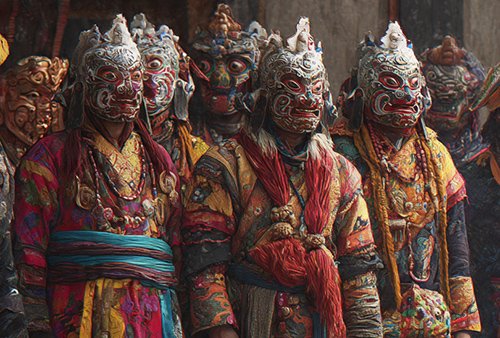
Primary States: Arunachal Pradesh
Landscape: Forest hills, river valleys, bamboo settlements
Traditional Occupations: Farming, hunting traditions, bamboo craft
Key Festivals: Nyokum Yullo
Worldview / Religion: Nature-centered beliefs, Donyi-Polo influences.
Social Structure / Laws: Clan systems, village councils.
Unique Customs: Cane headgear, ceremonial feasts, bamboo architecture.
Folk Deities: Nature spirits, household guardians.
Folklore & Legends: Origin tales tied to hills and rivers.
The Nyishi are one of Arunachal Pradesh’s most prominent communities, known for vibrant festivals and bamboo-based material culture. For travelers, Nyishi country offers immersive landscapes where rivers, forests, and ritual life remain closely connected.
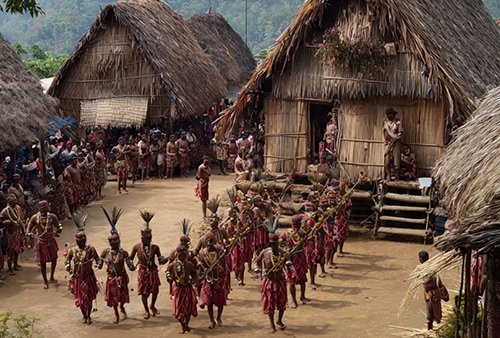 Region: Assam / North-East India
Primary States: Assam
Landscape: River islands, floodplains, stilt villages
Traditional Occupations: Wet farming, fishing, weaving
Key Festivals: Ali-Aye-Ligang, Porag
Worldview / Religion: Nature traditions with Vaishnav and other regional influences.
Social Structure / Laws: Clan networks, village institutions.
Unique Customs: Chang ghar stilt houses, handloom weaving, river adaptation.
Folk Deities: Ancestor and river spirits.
Folklore & Legends: Brahmaputra flood and fertility stories.
The Mishing people are among the defining river cultures of Assam. Living along floodplains and islands, they developed elegant stilt-house architecture and seasonal agricultural rhythms. For travelers, Mishing regions reveal the intimate relationship between community life and the Brahmaputra.
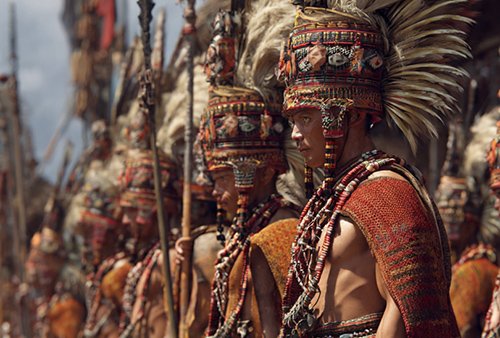 Region: North-East India
Primary States: Nagaland
Landscape: Mountain ridges, terraced farms, pine slopes
Traditional Occupations: Terrace farming, weaving, craftwork
Key Festivals: Sekrenyi, Hornbill Festival
Worldview / Religion: Christianity prominent today with ancestral memory traditions.
Social Structure / Laws: Village republic systems, councils, clan identity.
Unique Customs: Warrior shawls, stone memorials, terraced agriculture.
Folk Deities: Historical village spirit systems.
Folklore & Legends: Heroic village defense stories.
The Angami are among Nagaland’s best-known communities and are celebrated for disciplined terraced farming and striking ceremonial traditions. For travelers, Angami country offers mountain villages, exceptional cuisine, and dynamic festival culture.
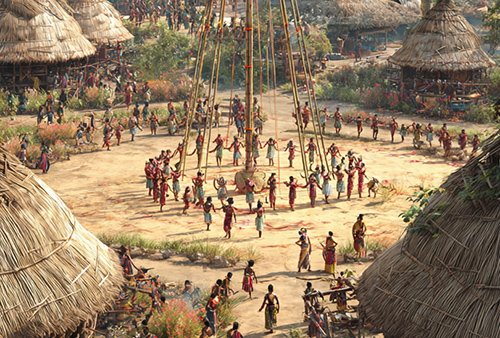 Region: North-East India
Primary States: Assam, Nagaland
Landscape: Hills, valleys, river plains
Traditional Occupations: Farming, weaving, fisheries
Key Festivals: Busu Dima
Worldview / Religion: Ancestor reverence, nature-linked traditions, later faith blends.
Social Structure / Laws: Clan systems and traditional councils.
Unique Customs: Royal heritage memory, weaving traditions.
Folk Deities: Sibrai and ancestral powers.
Folklore & Legends: Kingdom legends of Kachari-Dimasa rulers.
The Dimasa people carry the memory of historic kingdoms in the North-East. For travelers, Dimasa landscapes combine hill culture, royal narratives, and living traditions of Assam’s interior frontier.
 Region: Western India
Primary States: Maharashtra, Gujarat
Landscape: Coastal foothills, forest-edge villages, agrarian settlements
Traditional Occupations: Farming, forest gathering, labor, ritual painting traditions
Key Festivals: Tarpa Festival, Holi, Diwali, harvest celebrations
Worldview / Religion: Nature-centered beliefs with fertility, ancestor, and seasonal spirits.
Social Structure / Laws: Village elders and customary councils; kinship networks guide marriage norms.
Unique Customs: Iconic Warli wall paintings, Tarpa dance circles, ritual marriage art.
Folk Deities: Palaghata Devi, Hirva, village guardian spirits.
Folklore & Legends: Sacred geometric forms invite prosperity, fertility, and harmony.
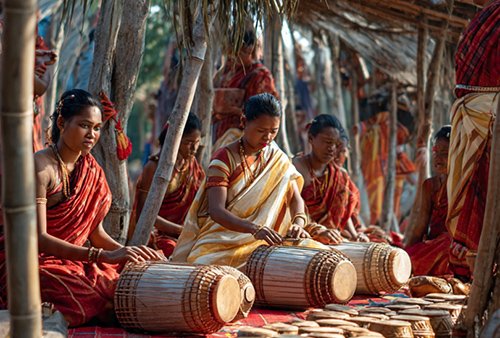
The Warli people of Maharashtra and Gujarat are globally celebrated for one of India’s most recognizable indigenous art traditions. Their villages, often located in the foothills and forest margins north of Mumbai, have long balanced agriculture with strong ritual and seasonal customs.
Warli art uses white pigment on earthen walls to depict farming scenes, forests, dances, weddings, animals, and cosmic balance through circles, triangles, and lines. Far more than decoration, these paintings historically formed part of ceremonies and rites of passage.
The Tarpa dance, performed in circles to the sound of a wind instrument, reflects community unity and cyclical relationships with nature.
For travelers, Warli country offers living art traditions, village creativity, and one of India’s most elegant visual cultures.
 Region: Western India
Primary States: Maharashtra, Gujarat, Goa (related coastal groups)
Landscape: Coastal settlements, fishing harbors, estuaries, islands
Traditional Occupations: Fishing, seafaring, salt work, agriculture, trade
Key Festivals: Narali Purnima, Holi, coastal boat blessings
Worldview / Religion: Sea-linked devotional traditions with regional Hindu influences.
Social Structure / Laws: Community councils, fishing cooperatives, kin-based maritime networks.
Unique Customs: Koli dance, decorated boats, sea blessing rituals, vibrant wedding music.
Folk Deities: Ekvira Devi, sea guardians, village goddesses.
Folklore & Legends: Tales of storms, navigation, and divine protection at sea.
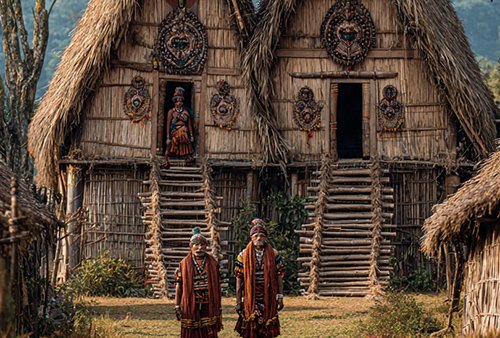
The Koli communities of India’s western coast are among the oldest maritime societies of the Arabian Sea shoreline. Their settlements historically lined creeks, islands, and harbors from Mumbai and Konkan northward into Gujarat.
Fishing remains central to Koli identity, with seasonal cycles tied to monsoon winds, tides, and fish migrations. Narali Purnima, when coconuts are offered to the sea, marks gratitude and the beginning of a new fishing season.
Koli dance traditions, colorful attire, and festive music remain closely associated with coastal Maharashtra.
For travelers, Koli heritage offers an authentic lens into maritime India through seafood traditions, harbor life, and coastal ritual culture.
 Region: Western India
Primary States: Gujarat, Rajasthan
Landscape: Semi-arid plains, grasslands, desert fringes
Traditional Occupations: Pastoralism, camel and cattle herding, embroidery, trade
Key Festivals: Tarnetar Fair, Janmashtami, pastoral seasonal fairs
Worldview / Religion: Pastoral devotional traditions with strong goddess worship.
Social Structure / Laws: Clan-based networks, migration routes, customary marriage and herd laws.
Unique Customs: Mirror embroidery, silver jewelry, nomadic camps, camel culture.
Folk Deities: Meldi Mata, Momai Mata, Krishna-linked pastoral devotion.
Folklore & Legends: Migration legends across deserts guided by divine protectors.
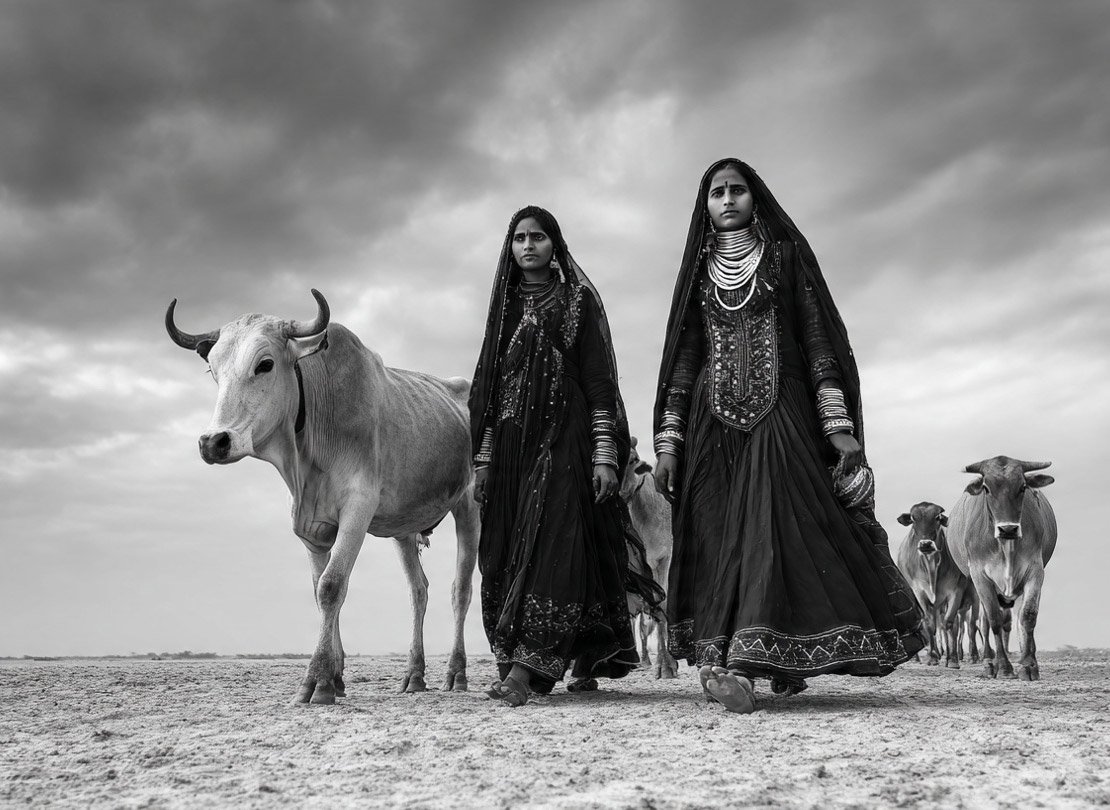
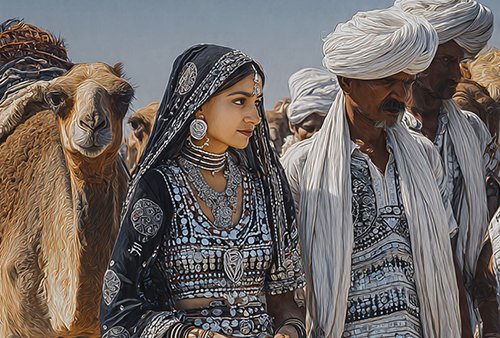
The Rabari are one of western India’s most iconic pastoral communities, historically moving with camel, sheep, goat, and cattle herds across Gujarat and Rajasthan. Their mobile lifeways created a culture shaped by routes, grazing knowledge, and seasonal movement.
Rabari women are renowned for exceptional embroidery featuring mirrors, geometric motifs, and symbolic stitching that communicates identity and memory. Distinctive attire and silver ornaments make Rabari visual culture especially striking.
For travelers, Rabari regions offer pastoral landscapes, craft heritage, fairs, and one of India’s most photogenic nomadic traditions.
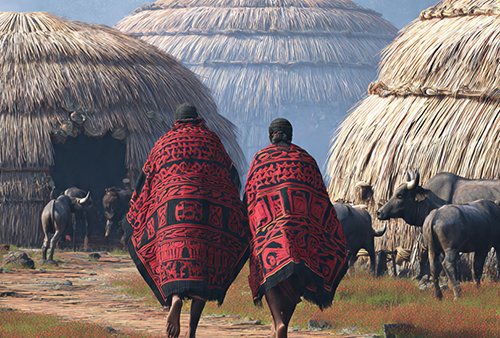 Region: Southern India
Primary States: Tamil Nadu (Nilgiris)
Landscape: High grasslands, shola valleys, mountain pastures
Traditional Occupations: Buffalo pastoralism, dairy ritual culture, embroidery
Key Festivals: Modhweth, dairy temple rites, seasonal buffalo ceremonies
Worldview / Religion: Sacred dairy-centered cosmology; buffaloes hold divine significance.
Social Structure / Laws: Clan organization, ritual specialists, historically small pastoral hamlets.
Unique Customs: Barrel-vaulted huts, Pukhoor embroidery, sacred dairies as temples.
Folk Deities: Teikirshy, On, sacred buffalo spirits.
Folklore & Legends: Creation stories place buffaloes at the center of cosmic order.
The Toda people of the Nilgiri Hills are among South India’s most distinctive pastoral communities. Their culture evolved in the cool highlands of Tamil Nadu, where grasslands and shola forests support sacred buffalo herding traditions.
Toda architecture is famous for beautifully curved barrel-shaped huts, while their black-and-red embroidered shawls are now internationally admired. Milk, dairies, and buffalo rituals historically occupied a sacred role far beyond economics.
For travelers, Toda country offers refined mountain culture, extraordinary architecture, and one of India’s most unique highland traditions.
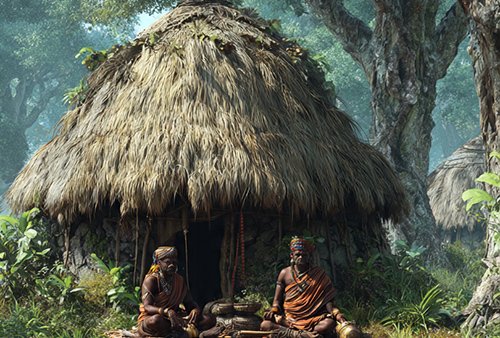 Region: Southern India
Primary States: Tamil Nadu, Kerala
Landscape: Forest margins, scrublands, foothills, rural settlements
Traditional Occupations: Herbal medicine, snake handling knowledge, agriculture, foraging
Key Festivals: Mariamman festivals, village seasonal rites, harvest observances
Worldview / Religion: Ancestor reverence, forest-linked beliefs, regional devotional traditions.
Social Structure / Laws: Clan and settlement councils; practical community governance.
Unique Customs: Expertise in tracking reptiles, medicinal plants, ecological observation.
Folk Deities: Kanniamma, Mariamman, guardian spirits.
Folklore & Legends: Stories of reading animal signs and hidden forest pathways.
The Irula communities of Tamil Nadu and Kerala are widely respected for extraordinary environmental knowledge. Traditionally associated with forests and dry scrub ecosystems, they developed renowned skills in snake tracking, rodent control, and medicinal plant use.
Their practical expertise has contributed significantly to public health and agriculture in South India. Oral knowledge systems remain central to cultural identity.
For travelers, Irula heritage offers a powerful perspective on indigenous science, resilience, and landscape intelligence.
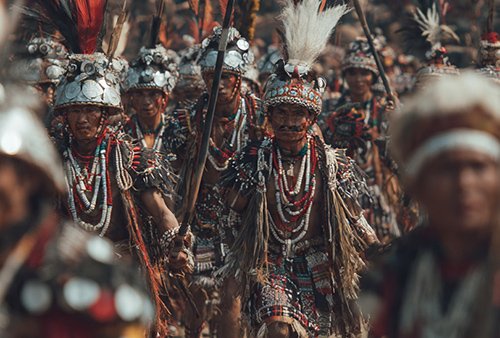 Region: Southern India
Primary States: Tamil Nadu, Kerala, Karnataka (Nilgiri region)
Landscape: Hill forests, upland settlements, woodland clearings
Traditional Occupations: Honey gathering, forest produce, agriculture, ritual healing
Key Festivals: Local forest rites, harvest celebrations, Mariamman-linked observances
Worldview / Religion: Forest-centered beliefs with ancestor and spirit reverence.
Social Structure / Laws: Clan groups and elder-led councils.
Unique Customs: Honey collection, herbalism, song traditions, ritual specialists.
Folk Deities: Forest spirits, Mariamman, ancestral guardians.
Folklore & Legends: Bees, hills, and sacred groves feature prominently in oral tales.
The Kurumba communities of the Nilgiri region are closely associated with hill forests and traditional ecological knowledge. Honey gathering, herbal practices, and woodland resource use have long formed part of their livelihood systems.
Kurumba oral traditions often reflect intimate understanding of animals, weather, and forest cycles.
For travelers, Kurumba landscapes reveal the quieter side of the Nilgiris through forest memory, biodiversity, and living indigenous knowledge.
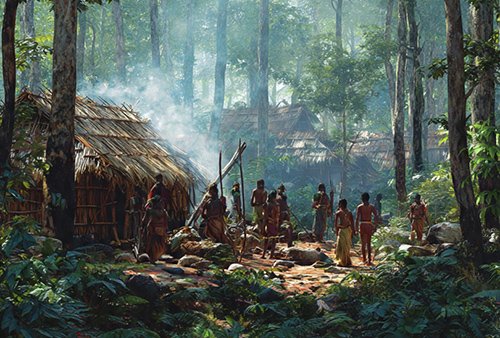 Region: Southern India
Primary States: Andhra Pradesh, Telangana
Landscape: Nallamala forests, rocky hills, dry deciduous woodland
Traditional Occupations: Forest gathering, honey collection, hunting traditions, minor cultivation
Key Festivals: Ugadi (regional), Mallikarjuna-linked pilgrim festivals, local seasonal rites
Worldview / Religion: Forest spirituality with strong devotion to Lord Mallikarjuna in many communities.
Social Structure / Laws: Settlement elders, kinship networks, customary mediation.
Unique Customs: Deep forest navigation skills, honey gathering, mobile woodland traditions.
Folk Deities: Mallikarjuna, forest mother spirits, ancestor guardians.
Folklore & Legends: Stories connect the Chenchu people to the forests of Srisailam and divine encounters.
The Chenchu people are among South India’s most historically significant forest communities, associated with the Nallamala Hills and the deep woodlands around Srisailam.
Their traditional livelihoods centered on honey gathering, forest produce, and intimate ecological knowledge of dry deciduous landscapes. Many narratives connect Chenchu identity with Lord Mallikarjuna, linking tribal memory to one of India’s sacred temple geographies.
For travelers, Chenchu country offers a rare meeting of wilderness, pilgrimage history, and living forest heritage.
 Region: Western India
Primary States: Karnataka, Gujarat, Maharashtra
Landscape: Forest villages, coastal belts, rural settlements
Traditional Occupations: Farming, labor, music, forest livelihoods
Key Festivals: Regional Hindu, Muslim, and Christian festivals depending on community
Worldview / Religion: Diverse faith traditions reflecting long Indian integration.
Social Structure / Laws: Village-based kinship and local councils.
Unique Customs: African-Indian heritage music and dance traditions.
Folk Deities: Varies by faith and locality.
Folklore & Legends: Maritime arrival stories and settlement memories.
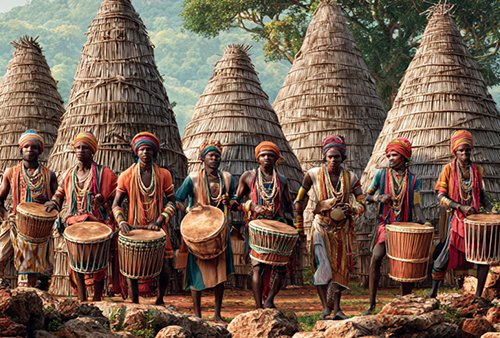
The Siddi communities of India trace ancestry to African lineages that became part of the Indian Ocean world centuries ago. Today they represent one of India’s most unique cultural identities. For travelers, Siddi heritage opens conversations about migration, music, and the global history of India’s coasts.
 Region: Southern India
Primary States: Kerala, Tamil Nadu
Landscape: Rainforests, river valleys, Anamalai slopes
Traditional Occupations: Forest gathering, honey collection, herbal knowledge, fishing
Key Festivals: Seasonal forest rites, Onam-linked regional observances
Worldview / Religion: Forest-centered spirituality with ancestor reverence.
Social Structure / Laws: Small settlement communities with elder guidance.
Unique Customs: Exceptional rainforest tracking and plant knowledge.
Folk Deities: Forest spirits, guardian ancestors.
Folklore & Legends: Stories of elephants, rivers, and hidden forest paths.
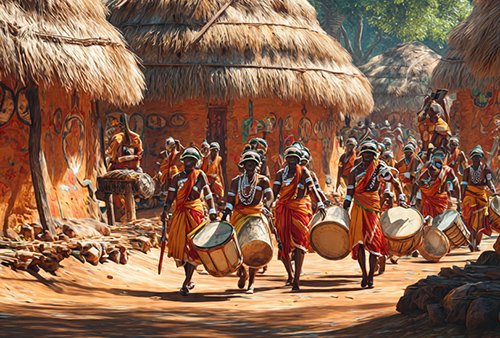
The Kadar of the Western Ghats are known for intimate rainforest knowledge developed across generations. For travelers, Kadar landscapes represent one of India’s richest ecological cultures rooted in the monsoon forests of South India.
 Region: Southern India
Primary States: Kerala
Landscape: Wayanad uplands, plantations, forest-edge villages
Traditional Occupations: Agriculture, field labor, craftwork
Key Festivals: Harvest observances, regional temple festivals
Worldview / Religion: Ancestor-linked beliefs with regional devotional influences.
Social Structure / Laws: Community settlements, kinship-based social life.
Unique Customs: Song traditions, rhythmic dances, agricultural identity.
Folk Deities: Village spirits, ancestral guardians.
Folklore & Legends: Stories tied to hills, rains, and farming cycles.
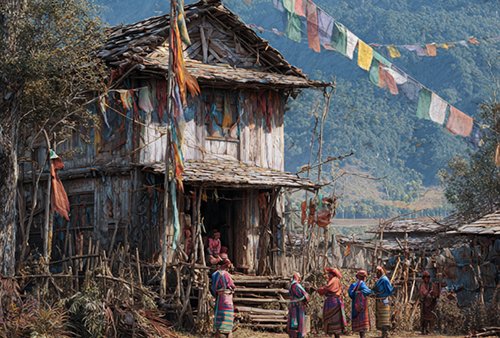
The Paniya are one of Kerala’s significant indigenous communities, especially associated with Wayanad. For travelers, Paniya country offers insight into plantation histories, hill agriculture, and the cultural diversity of the Western Ghats.
 Region: Western India
Primary States: Rajasthan, Gujarat
Landscape: Aravalli hills, forest villages, upland farms
Traditional Occupations: Farming, livestock rearing, craftwork
Key Festivals: Gavri, Holi, Gangaur, local fairs
Worldview / Religion: Nature-linked devotional traditions with clan deity worship.
Social Structure / Laws: Clan networks, village customary councils.
Unique Customs: Colorful dress, hill dances, marriage traditions.
Folk Deities: Local goddesses, Bhairav forms, clan guardians.
Folklore & Legends: Aravalli hill romance and warrior tales.
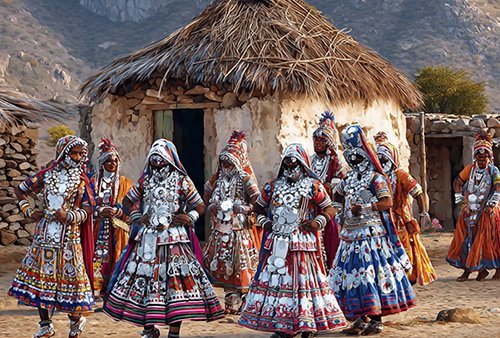
The Garasia communities of Rajasthan and Gujarat inhabit beautiful Aravalli landscapes where pastoral and farming life blend with vibrant festival culture. For travelers, Garasia country offers authentic hill Rajasthan beyond palace routes.
 Region: Pan-India / Deccan
Primary States: Karnataka, Telangana, Andhra Pradesh, Rajasthan, Maharashtra
Landscape: Semi-arid plains, trade corridors, village settlements
Traditional Occupations: Caravan trade, livestock movement, embroidery, crafts
Key Festivals: Teej, Holi, Sevalal Jayanti
Worldview / Religion: Devotional traditions with saint and ancestor reverence.
Social Structure / Laws: Clan networks, tanda settlements, community councils.
Unique Customs: Mirror-work embroidery, vibrant attire, mobile trade heritage.
Folk Deities: Sevalal Maharaj, clan guardians.
Folklore & Legends: Great caravan journeys across India.
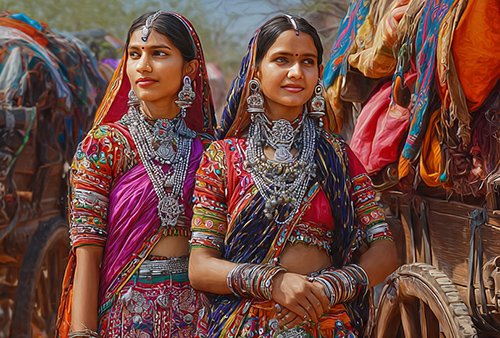
The Lambani, also known as Banjara, carry one of India’s great nomadic trade legacies. Their textile arts and color-rich identity remain instantly recognizable. For travelers, Lambani heritage offers stories of movement, craft brilliance, and cross-country cultural exchange.
 Region: Northern India
Primary States: Uttarakhand, Uttar Pradesh, Bihar (also Nepal Terai)
Landscape: Terai grasslands, wetlands, forest-edge villages, fertile plains
Traditional Occupations: Agriculture, fishing, animal husbandry, forest gathering
Key Festivals: Maghi, Holi, Jitiya, harvest celebrations
Worldview / Religion: Nature-linked traditions blended with regional Hindu practices and ancestor reverence.
Social Structure / Laws: Village councils, extended family networks, community customary practices.
Unique Customs: Distinctive mud-house decoration, seasonal dances, wetland food traditions.
Folk Deities: Village mother goddesses, forest guardians, ancestral spirits.
Folklore & Legends: Stories of tiger forests, river spirits, and origins in the Terai frontier.
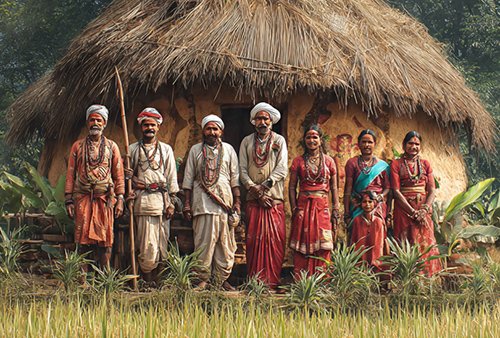
The Tharu people inhabit the Terai belt along the Himalayan foothills, where forests, grasslands, and fertile agricultural lands create one of North India’s most ecologically rich zones. Their settlements have historically adapted to marshy landscapes, river systems, and wildlife-rich terrain.
Agriculture remains central to Tharu life, supported by fishing, livestock, and seasonal forest resources. Their homes are often known for decorative wall art and strong vernacular building traditions suited to warm plains climates.
Festivals such as Maghi mark renewal and community gathering, while dance and music continue to play an important social role.
For travelers, Tharu regions offer an authentic gateway to Terai culture, agrarian heritage, and landscapes bordering India’s great wildlife reserves.
 Region: Northern India
Primary States: Uttarakhand (also Himalayan border belts)
Landscape: High valleys, alpine routes, mountain villages, transhumance corridors
Traditional Occupations: Trade, pastoralism, wool weaving, agriculture, caravan exchange
Key Festivals: Harela, Nanda Devi Raj Jat (regional relevance), Losar (in some communities), seasonal fairs
Worldview / Religion: Blended Hindu-Buddhist mountain traditions with sacred landscape reverence.
Social Structure / Laws: Clan networks, village councils, seasonal migration customs.
Unique Customs: Transhumance, carpet weaving, wool crafts, mountain barter history.
Folk Deities: Nanda Devi, local mountain guardians, household spirits.
Folklore & Legends: Peaks, passes, and goddess journeys dominate oral memory.
The Bhotia communities of Uttarakhand are historically associated with Himalayan trade routes linking India with Tibet. Living across high valleys and seasonal migration zones, they developed a culture shaped by altitude, commerce, pastoral mobility, and resilience.
Wool weaving, carpet making, and mountain agriculture remain important traditions. Their villages often carry rich architectural character, framed by dramatic alpine scenery.
Many ritual practices honor peaks, rivers, and local goddesses, especially Nanda Devi, whose presence is central to regional sacred geography.
For travelers, Bhotia country offers one of India’s most evocative combinations of mountain heritage, craft tradition, and high-altitude culture.
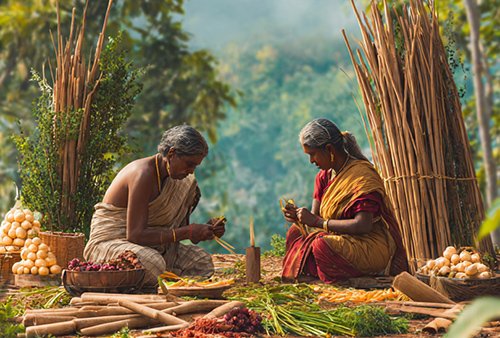 Region: Northern / North-Western India
Primary States: Rajasthan, Madhya Pradesh, Haryana, Uttar Pradesh
Landscape: Aravalli hills, semi-arid plains, agrarian villages, forest fringes
Traditional Occupations: Agriculture, pastoralism, local governance, military service, trade
Key Festivals: Teej, Gangaur, Holi, Diwali, local clan fairs, harvest celebrations
Worldview / Religion: Predominantly Hindu traditions with ancestral clan reverence, nature-linked rural beliefs, folk deity worship.
Social Structure / Laws: Clan-based social organization, strong kinship networks, village councils, customary marriage rules.
Unique Customs: Turban traditions, folk ballads, warrior memory, colorful ceremonial attire, community feasts.
Folk Deities: Devnarayan, Bhairav, Kuldevis (clan goddesses), regional mother goddesses.
Folklore & Legends: Oral narratives connect Meena lineages to ancient rulers, guardians of forts, and protectors of Rajasthan’s hill country.
The Meena community is one of the historically significant indigenous and agrarian communities of Rajasthan and adjoining northern India. Deeply rooted in the landscapes of the Aravalli hills, fertile plains, and semi-arid settlements, the Meena story is interwoven with the cultural memory of North-West India.
Historically associated with agriculture, land stewardship, warrior service, and regional governance, many traditions remember Meena groups as early inhabitants and local rulers in parts of Rajasthan before later dynastic periods. Their identity today reflects a blend of rural resilience, ceremonial richness, and strong clan networks.
Festivals such as Teej, Gangaur, Holi, and seasonal fairs are celebrated with music, dress, and community gatherings. Traditional attire, turbans, jewelry, and folk songs continue to carry cultural memory across generations.
Village life has long been organized around kinship, customary councils, and agricultural rhythms, with hospitality and communal celebrations playing a central role.
For travelers, Meena regions offer a compelling window into Rajasthan beyond palaces and forts—where living village culture, oral heritage, farming traditions, and ancestral landscapes continue to shape everyday life.
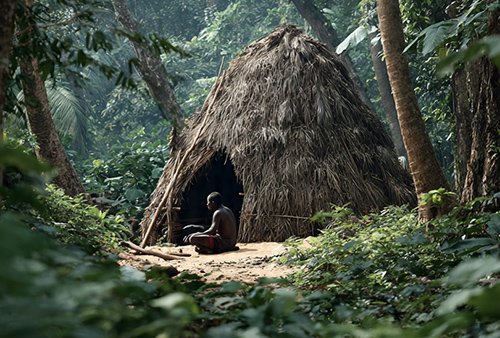 Region: Andaman Islands
Primary Area: Parts of South and Middle Andaman Islands
Landscape: Tropical rainforest, mangroves, coastal creeks
Traditional Occupations: Hunting, fishing, gathering, forest knowledge systems
Key Festivals: Seasonal community observances not publicly codified in mainstream records
Worldview / Religion: Deep ecological relationship with forest, sea, and ancestral memory.
Social Structure / Laws: Small-band social organization with community sharing norms.
Unique Customs: Expert bow use, canoe movement, rainforest navigation, intimate environmental knowledge.
Folk Deities: Not publicly documented in detail; spiritual systems tied to nature and kin memory.
Folklore & Legends: Oral traditions are community-held and not broadly documented.
The Jarawa are one of the Indigenous peoples of the Andaman Islands whose knowledge systems developed over thousands of years in tropical forest and coastal ecosystems. Their lifeways historically centered on hunting, fishing, gathering, and sophisticated environmental understanding.
Because of the need to respect autonomy, privacy, and legal protections, they should never be approached as a tourism attraction. Contemporary ethical understanding emphasizes dignity, non-intrusion, and protection of land and health.
For responsible cultural storytelling, Jarawa presence reminds travelers that some communities are not destinations to be consumed, but peoples whose rights and choices must be honored.
 Region: Andaman Islands
Primary Area: North Sentinel Island
Landscape: Tropical island forest, coral-fringed coastlines
Traditional Occupations: Hunting, fishing, gathering
Key Festivals: Not publicly known
Worldview / Religion: Not publicly known; presumed nature-linked cosmologies as with many small-scale island societies.
Social Structure / Laws: Community systems not publicly documented.
Unique Customs: Complete defense of autonomy and rejection of outside contact.
Folk Deities: Not publicly known.
Folklore & Legends: Not publicly known.
The Sentinelese of North Sentinel Island are among the world’s most isolated peoples. They have consistently rejected outside contact and are protected by strict exclusion laws.
Their continued autonomy is internationally significant and should be understood through the lens of Indigenous rights, sovereignty, and protection from disease or disruption.
They are not a tourism subject, and no travel access is permitted. Responsible representation centers respect rather than curiosity.
For thoughtful audiences, the Sentinelese story highlights an important truth: not every place is for visitation, and not every culture seeks participation from the outside world.
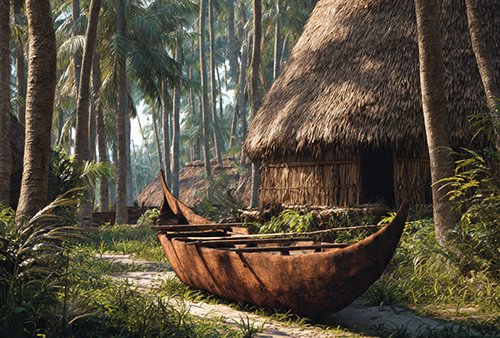 Region: Andaman Islands
Primary Area: Little Andaman
Landscape: Tropical forests, beaches, creeks
Traditional Occupations: Hunting, fishing, gathering
Key Festivals: Not publicly codified
Worldview / Religion: Nature-linked lifeways and kin memory.
Social Structure / Laws: Small-band community organization.
Unique Customs: Canoe movement, coastal survival knowledge.
Folk Deities: Not publicly documented in detail.
Folklore & Legends: Community-held oral traditions.
The Onge are one of the Indigenous peoples of the Andaman Islands whose heritage is closely tied to coastal forest ecosystems. Ethical representation centers dignity, protection, and respect for autonomy rather than tourism curiosity.
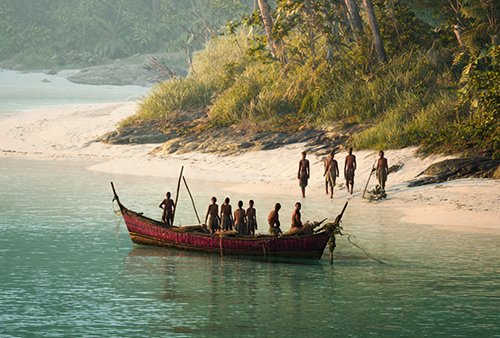 Region: Andaman Islands
Primary Area: Andaman archipelago
Landscape: Tropical islands, forests, coasts
Traditional Occupations: Hunting, fishing, gathering
Key Festivals: Not publicly codified
Worldview / Religion: Indigenous island cosmologies.
Social Structure / Laws: Community-based kin systems.
Unique Customs: Maritime knowledge, island adaptation.
Folk Deities: Not publicly documented in detail.
Folklore & Legends: Community-held oral memory.
The Great Andamanese represent one of the historic Indigenous populations of the Andaman archipelago. Their story is central to understanding island history, colonial disruption, and the importance of cultural continuity with dignity and respect.